Green Pants, Center Pivots, and Happy Corn

Ok, quiz time. What do the following three things have in common?

  1. The Sahara Desert
  2. Our corn fields
  3. My mouth when I watch a Ryan Gosling movie

That’s right, my friends, all of these items are very dry.

Much to the Dairy Man’s relief, this post will not be about Ry-guy-McHotpants. Perhaps another time. For today, we’re going to focus on the corn.

With the exception of a brief, violent thunderstorm that sent our terrified puppy under the coffee table, the past few weeks in Michigan have been bone dry and oppressively hot. Our grass is brown and our corn is thirsty.

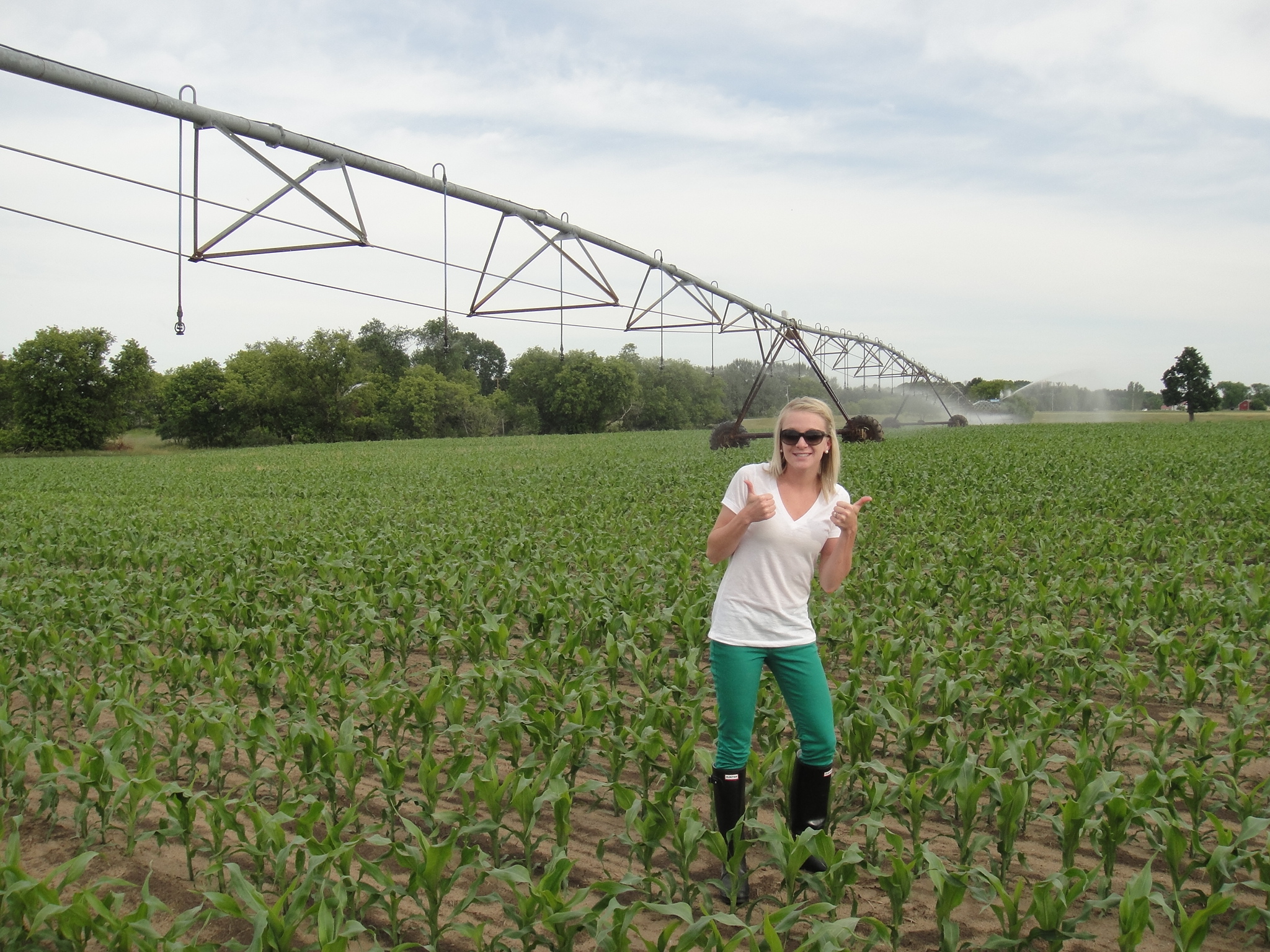
But fortunately for this year, a few of our newly-acquired fields came with some new toys: center pivot irrigators.

Up until this point, my only experience with these spindly metallic creatures was through a car window. They are both idyllically American and inexplicably alien. If  a spider and a caterpillar had a baby, it would look like this. Center pivots also give  free car washes if placed too close to the road.

This is the first year we’ve used center pivots to water our leafy green stuff. We’re using them because they came with the fields, but they also provide the extra water that the sandy soil needs to spawn healthy corn.

Naturally I had to experience the man-made phenoms for myself. So, one night the family (furry members included) took a drive.

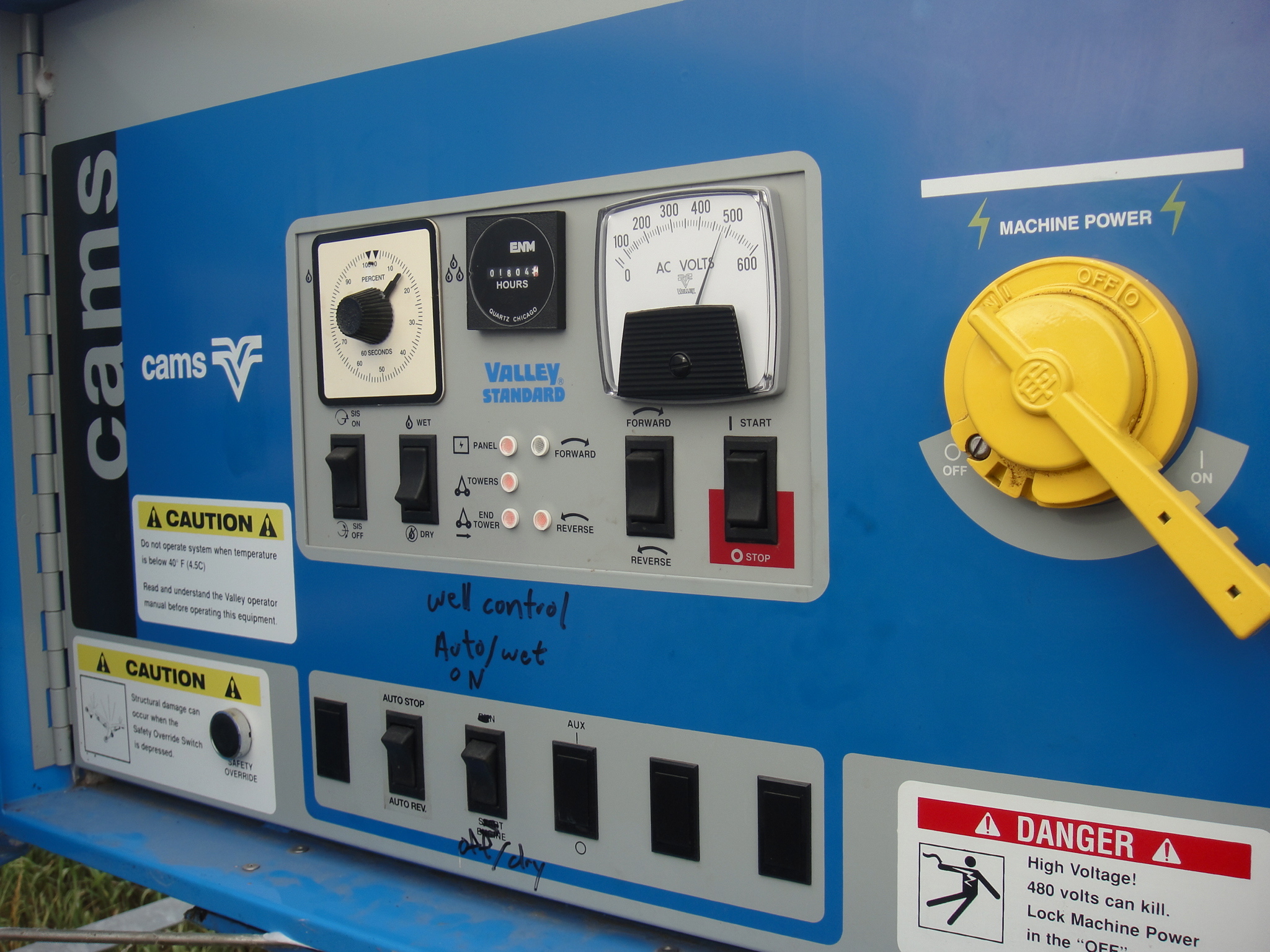
The Dairy Man even found time to conduct some business while I took pictures of the machinery. Modern farming, I tell ya.

A center pivot irrigation system uses overhead sprinklers to water the crops. The machinery is made up of several segments of pipe joined together and supported by trusses mounted on wheeled towers.

In addition to their function, the towers also make excellent climbing trees.

The whole business is fed water from the central pivot point.

Water flows through the segments of pipes to the drop hoses (aka sprinklers) and the apparatus rotates in a circular pattern through the field around the pivot point.

There’s even an “end gun” sprinkler firing off at the very end of the center pivot, just to get  that last 75 feet of corn.

It’s all very complicated.
Conceptually, a center pivot isn’t that different from a lawn sprinkler. Not that I would know from personal experience. I kill plants. I hate yard work and fear dirt and bugs. I’m what the Dairy Man kindly refers to as an “indoor kid.” Last summer, he and I spent an entire day landscaping around our house and most of the plants have since died. Whoops. A certain farm wife forgot to water … and weed.

But if you are the kind of person who actually remembers to turn the sprinkler on for your poor baby plants, you’ll understand our irrigator.

The Dairy Man runs the center pivots at dusk to avoid any unnecessary evaporation during the hot parts of the day. If all goes well, the irrigation system will provide a half inch of water every 24 hours. This is accomplished over the course of 1-2 days per pivot.

Michigan corn can typically survive on rain alone, but the center pivots give our sandy fields an extra boost.

And even a green-pants-wearing farm wife can get excited about new toys.

Farewell Faithful Lumina, Hello Jeep

The dairy man and I recently made a moderately impulsive (albeit extensively-researched) purchase.

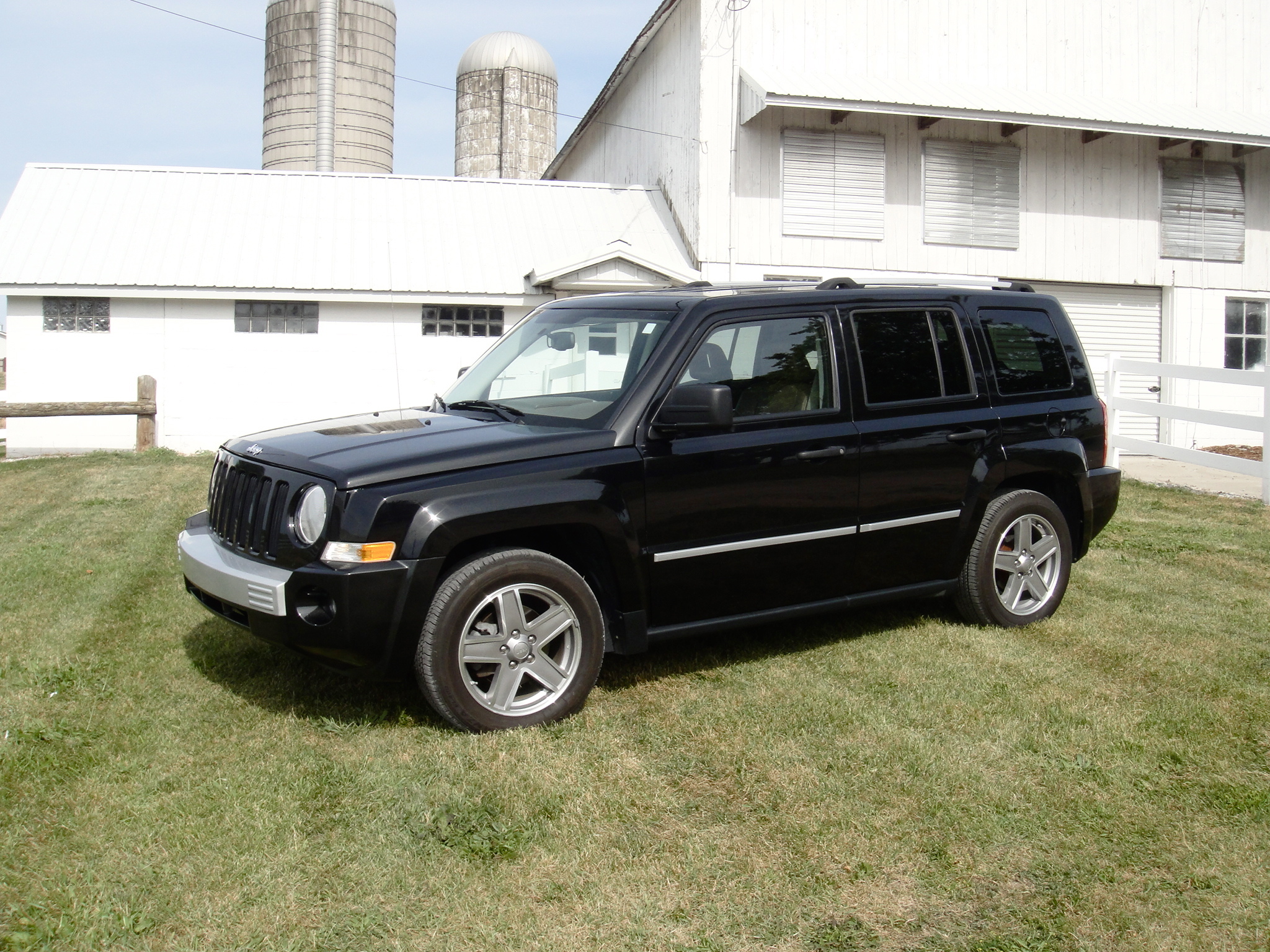
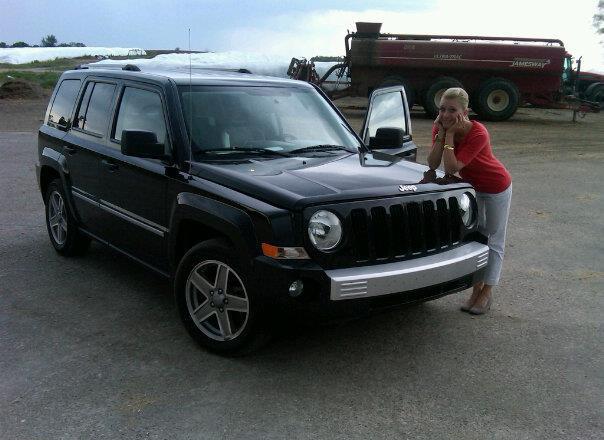
Say hello to Mr. Jeep. He’s new-to-us. A personality-appropriate name will be forthcoming, but for now, we’re taking things slow. I don’t want to rush the relationship. I need time to figure out Mr. Jeep’s likes, his dislikes, his favorite brand of oil.

First impressions? He’s delightful. And sporty.

While I am sad to bid adieu to my trusty 1998 Chevrolet Lumina (a vehicle I affectionately refer to as the “Grandma-mobile”) I’m excited to welcome Mr. Jeep into my life.

But the Lumina and I had some good times.

During my YEAR as a commuter, this navy blue workhorse drove me 160 miles a day, five days a week. She wasn’t flashy, but she got the job done. Want to know how to avoid the cops? Drive a navy blue Lumina. They are invisible.

Though I longed for four-wheel drive in the icy winter months, the wide, boatlike stance of this sturdy car kept me safe. We’ve been through flat tires, worn brake pads, and a dramatic trip into the ditch. Over the years she’s lost some paint and some giddy-up, but I couldn’t have asked for a better commuter car.

Since I accepted a job closer to home, the dairy man and I have been talking about a new vehicle. DM wanted a truck. I wanted a fully-loaded Lexus. But since it’s nearly impossible* to climb into a tall vehicle while wearing a pencil skirt and I don’t have a spare 80K lying around, we went for a Jeep.

(*I say nearly impossible because I ride in the DM’s truck frequently. It isn’t easy to climb into a big, red monstrosity without running boards while wearing a skirt and heels, but I have mastered the technique. 1) Sacrifice all dignity, 2) Squeeze legs together tightly, 3) Place one hand on the seat, one hand on the door, 4) Hop upwards with as much force as you can muster, and 5) Use your arms to swing this inertia  to the left and into the seat. Simple, right?)

There is some cruel irony to the fact that I waited until my commute shrunk from 1.5 hours to 15 minutes to get a vehicle with all-wheel drive, but I’m moving up in the world. No matter how slowly I get there.

From the dairy man’s perspective, now there is NO reason I can’t drive out into a field to turn off irrigators or chase a wayward cow. This baby’s built for off-roading. It also looks just dandy in front of a manure spreader.

Blast. I see a lot of car washes in my future.

Strip it Down, Paint the Town

The Dairy Man is one of my blog’s most avid readers. He also takes personal responsibility for the content.

In that vein, DM is appalled that I haven’t talked about corn planting yet. I was so busy thinking about friends and dreams—silly me—that I forgot to mention that we just wrapped up one of the biggest jobs of the year!

Consider me repentant. So. Let me proclaim this from the mountaintops. As of three weeks ago, OUR CORN IS IN!

For you city folk, this means that our yearly crop of cow food is well underway. Every inch of the green stuff will ultimately be harvested for corn silage in the fall.

Last year was my first planting season, but this year I was almost prepared for the craziness. For two long weeks, the Dairy Man started at 7 a.m. and ended at 11 p.m. He was delirious with sleep deprivation and was always covered in dust. I saw him at breakfast and through a bleary half-conscious fog when he climbed into bed. The lack of quality time with my friendly farmer directed my attention into other pursuits. I read a lot, got completely caught up with The Office, and took long walks with Jersey the dog. I changed my cooking criteria from “will this taste good?” to “will this reheat well?”

It was a lonely few weeks, but I’m not a newbie anymore. I knew it would end … eventually.

Believe it or not, this year’s planting palooza was even a little crazier than last year’s. Over the past 365 days, we’ve gone from 600 to 1,000 acres. (More bovine mouths to feed, dontcha know.)

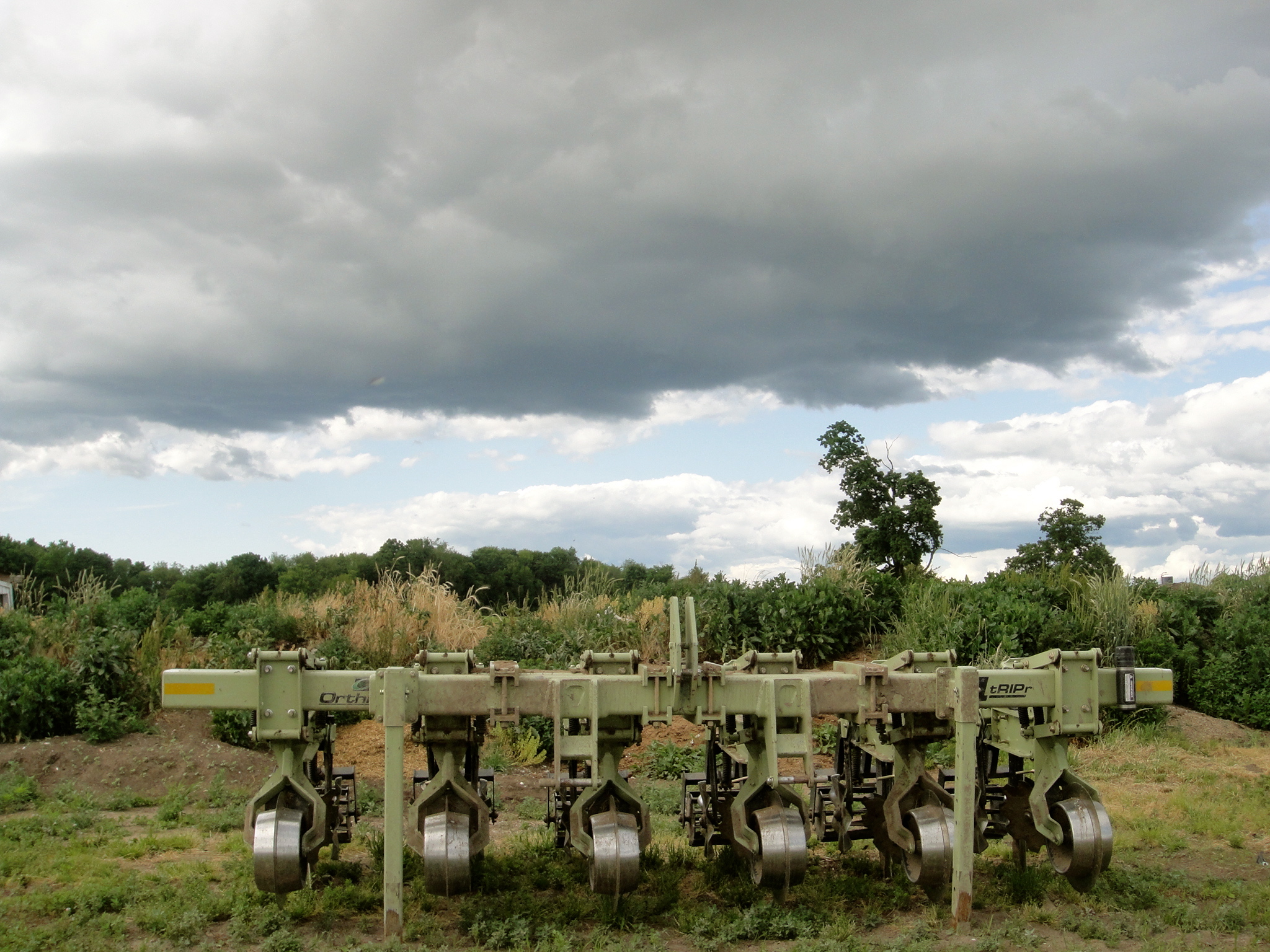
This year, in order to speed up the way we prepare the soil, the Dairy Man went from disking to strip-tilling. My apologies to those who googled “strip teasing,” and found this post.

If you’re a farming greenhorn like me, you’ll need a definition of tilling before we talk about stripping. Tillage is the preparation of soil for planting. This process is implemented by machines agitating the dirt by digging, stirring, and overturning. Tillage dries out and turns the soil as well as creates an optimum seedbed for our corn babies.

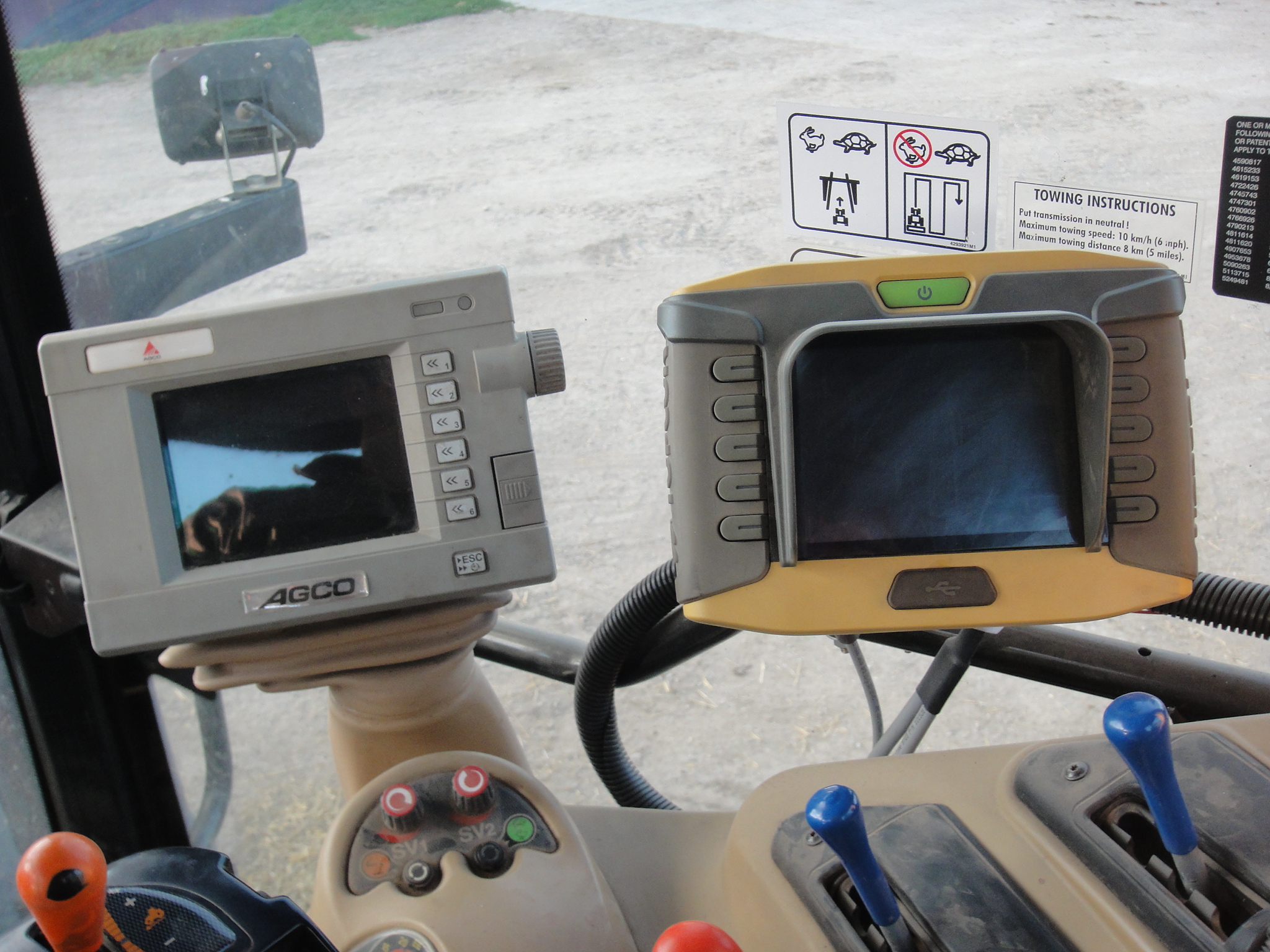
The Dairy Man’s tractor even has a GPS system with auto-steer to create straight lines and parallel strips for the rows.

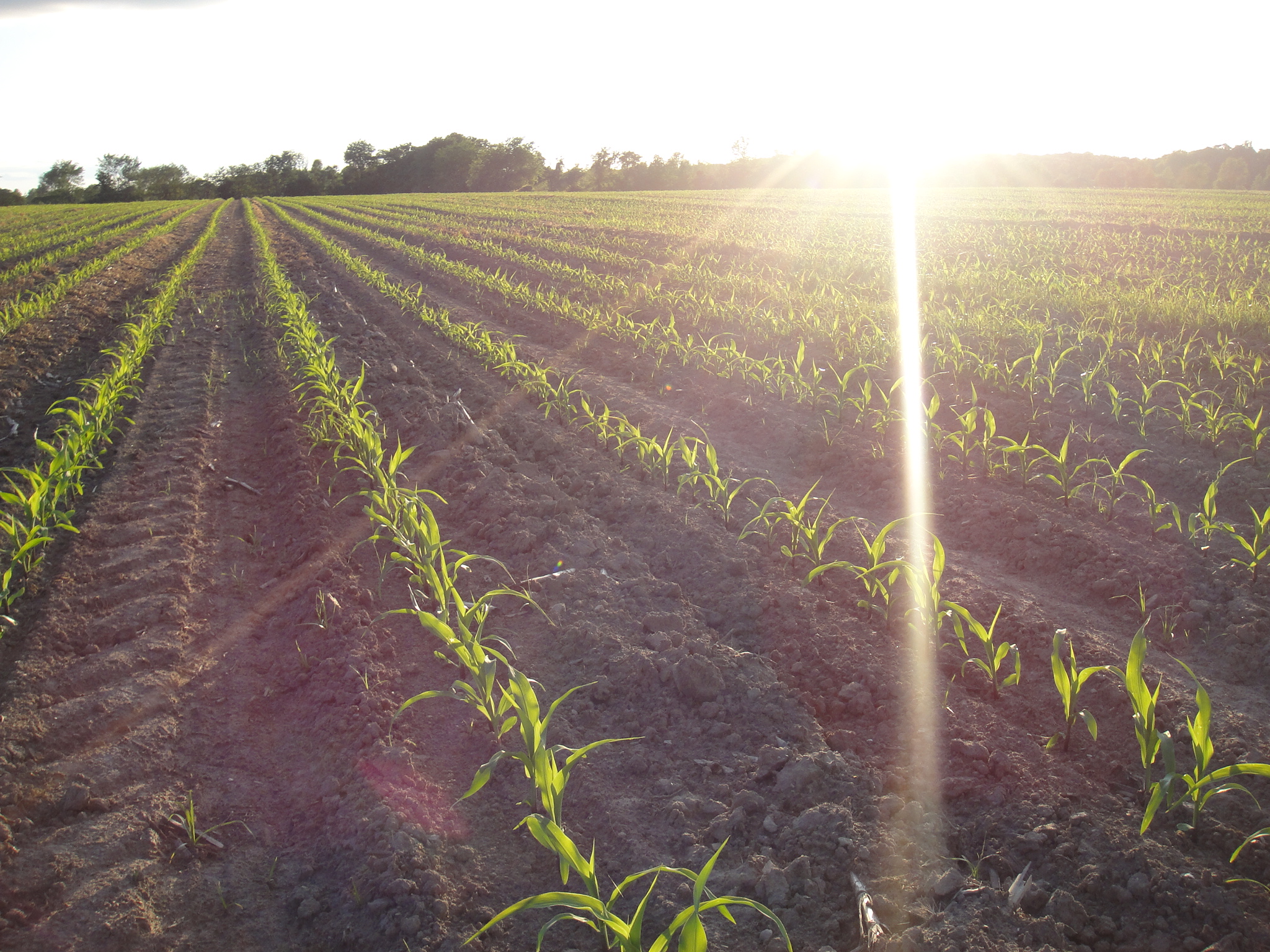
All corn rows are perfectly planted 30 inches apart. It certainly beats sitting out in the field with a yardstick, eh?

Last year we tilled our fields with a chisel plow and a disk. This year, we switched to strip-tilling.

The Dairy Man had three big reasons for the change.

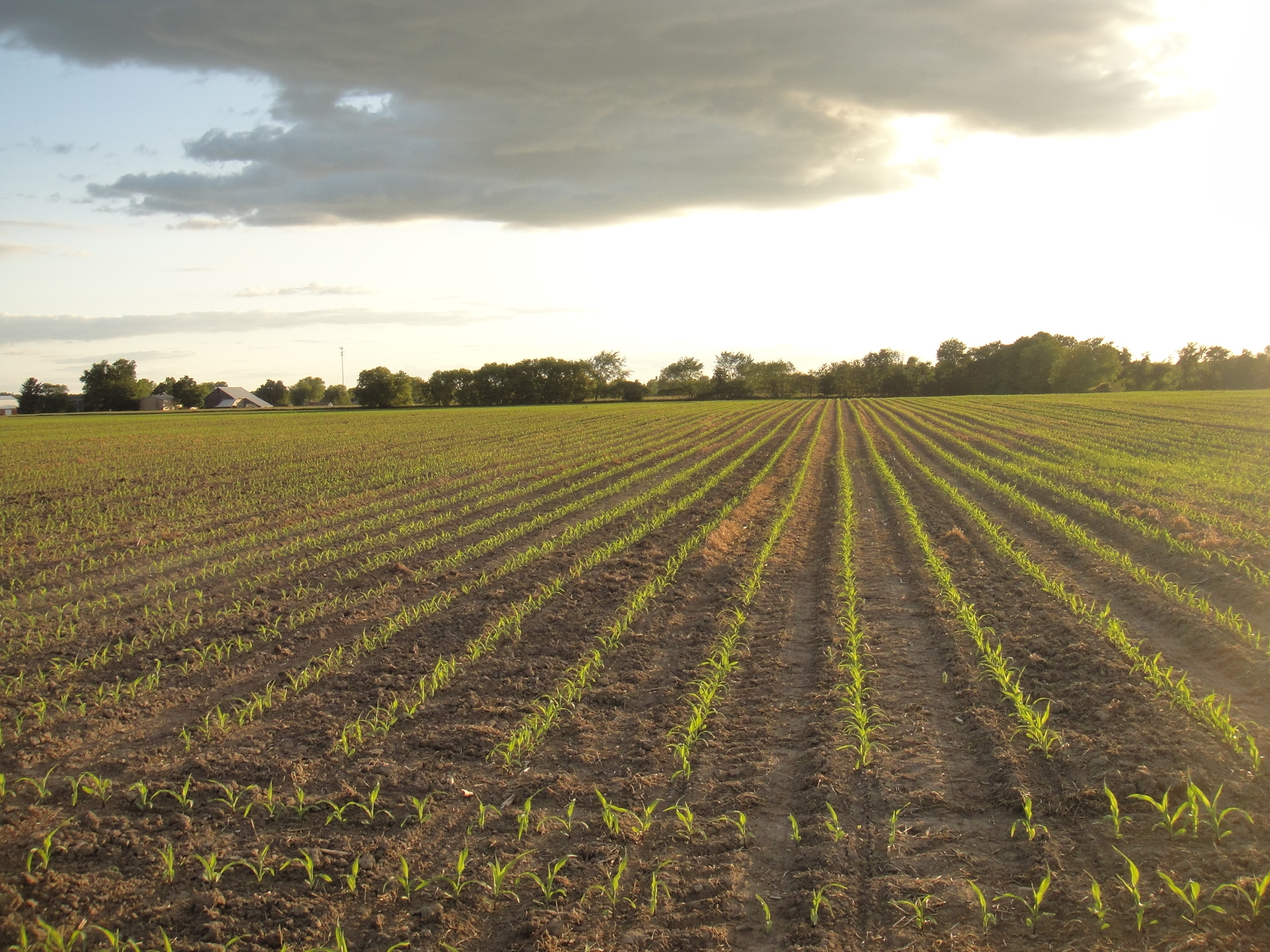
  1. We have quite a bit of sandy and hilly ground. Strip-tilling helps to eliminate soil erosion (via wind or water) by only churning up strips or zones of soil, as opposed to the entire field. You can see the organic material left behind in the rows in the photo above.
  1. The ground holds more moisture because not all of the soil is turned over.
  1. It’s all about speed, baby. Strip-tilling is a one-pass system. Our chisel plow only tills 5 acres an hour (plus we still have to disk at 10 acres per hour). The strip-tiller tills 12 acres an hour. Boo-yah.

Based on the size, scope, and soil of our two dairies, strip-tilling was the obvious choice this year. Well … obvious for the farmers. Obviously. Between you, me, and the kitchen sink, I didn’t notice that the machinery looked a little different this year until the DM pointed it out. Whoops.

After the ground was tilled, the planter came through and spread its seed.

And there you have it. It would be terrible to let the excitement of stripping (again, my apologies to the wayward googlers) pass me by.

I expect to see 32,000,000 leafy corn stalks (32,000 seeds per acre x 1,000 acres) grow and mature in the coming weeks and months. The country is blooming and the Dairy Man couldn’t be happier.

As for me, I’m enjoying the brief reprieve before another round of haying. Oof. I’d better order some more books.