Green Pants, Center Pivots, and Happy Corn

Ok, quiz time. What do the following three things have in common?

  1. The Sahara Desert
  2. Our corn fields
  3. My mouth when I watch a Ryan Gosling movie

That’s right, my friends, all of these items are very dry.

Much to the Dairy Man’s relief, this post will not be about Ry-guy-McHotpants. Perhaps another time. For today, we’re going to focus on the corn.

With the exception of a brief, violent thunderstorm that sent our terrified puppy under the coffee table, the past few weeks in Michigan have been bone dry and oppressively hot. Our grass is brown and our corn is thirsty.

But fortunately for this year, a few of our newly-acquired fields came with some new toys: center pivot irrigators.

Up until this point, my only experience with these spindly metallic creatures was through a car window. They are both idyllically American and inexplicably alien. If  a spider and a caterpillar had a baby, it would look like this. Center pivots also give  free car washes if placed too close to the road.

This is the first year we’ve used center pivots to water our leafy green stuff. We’re using them because they came with the fields, but they also provide the extra water that the sandy soil needs to spawn healthy corn.

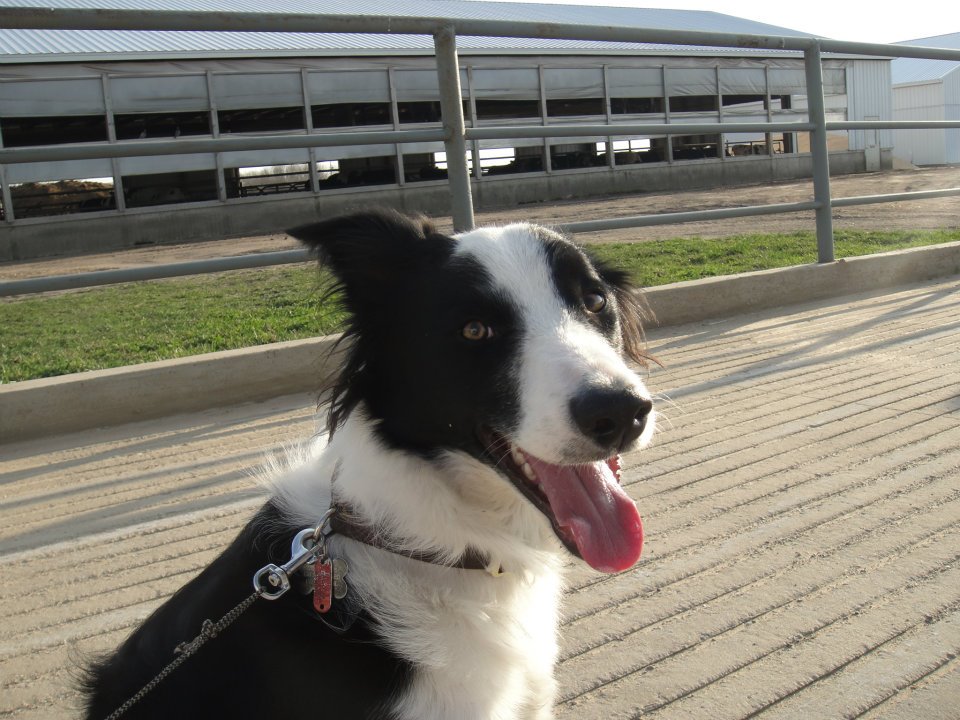
Naturally I had to experience the man-made phenoms for myself. So, one night the family (furry members included) took a drive.

The Dairy Man even found time to conduct some business while I took pictures of the machinery. Modern farming, I tell ya.

A center pivot irrigation system uses overhead sprinklers to water the crops. The machinery is made up of several segments of pipe joined together and supported by trusses mounted on wheeled towers.

In addition to their function, the towers also make excellent climbing trees.

The whole business is fed water from the central pivot point.

Water flows through the segments of pipes to the drop hoses (aka sprinklers) and the apparatus rotates in a circular pattern through the field around the pivot point.

There’s even an “end gun” sprinkler firing off at the very end of the center pivot, just to get  that last 75 feet of corn.

It’s all very complicated.

Conceptually, a center pivot isn’t that different from a lawn sprinkler. Not that I would know from personal experience. I kill plants. I hate yard work and fear dirt and bugs. I’m what the Dairy Man kindly refers to as an “indoor kid.” Last summer, he and I spent an entire day landscaping around our house and most of the plants have since died. Whoops. A certain farm wife forgot to water … and weed.

But if you are the kind of person who actually remembers to turn the sprinkler on for your poor baby plants, you’ll understand our irrigator.

The Dairy Man runs the center pivots at dusk to avoid any unnecessary evaporation during the hot parts of the day. If all goes well, the irrigation system will provide a half inch of water every 24 hours. This is accomplished over the course of 1-2 days per pivot.

Michigan corn can typically survive on rain alone, but the center pivots give our sandy fields an extra boost.

And even a green-pants-wearing farm wife can get excited about new toys.


Farewell Faithful Lumina, Hello Jeep

The dairy man and I recently made a moderately impulsive (albeit extensively-researched) purchase.

Say hello to Mr. Jeep. He’s new-to-us. A personality-appropriate name will be forthcoming, but for now, we’re taking things slow. I don’t want to rush the relationship. I need time to figure out Mr. Jeep’s likes, his dislikes, his favorite brand of oil.

First impressions? He’s delightful. And sporty.
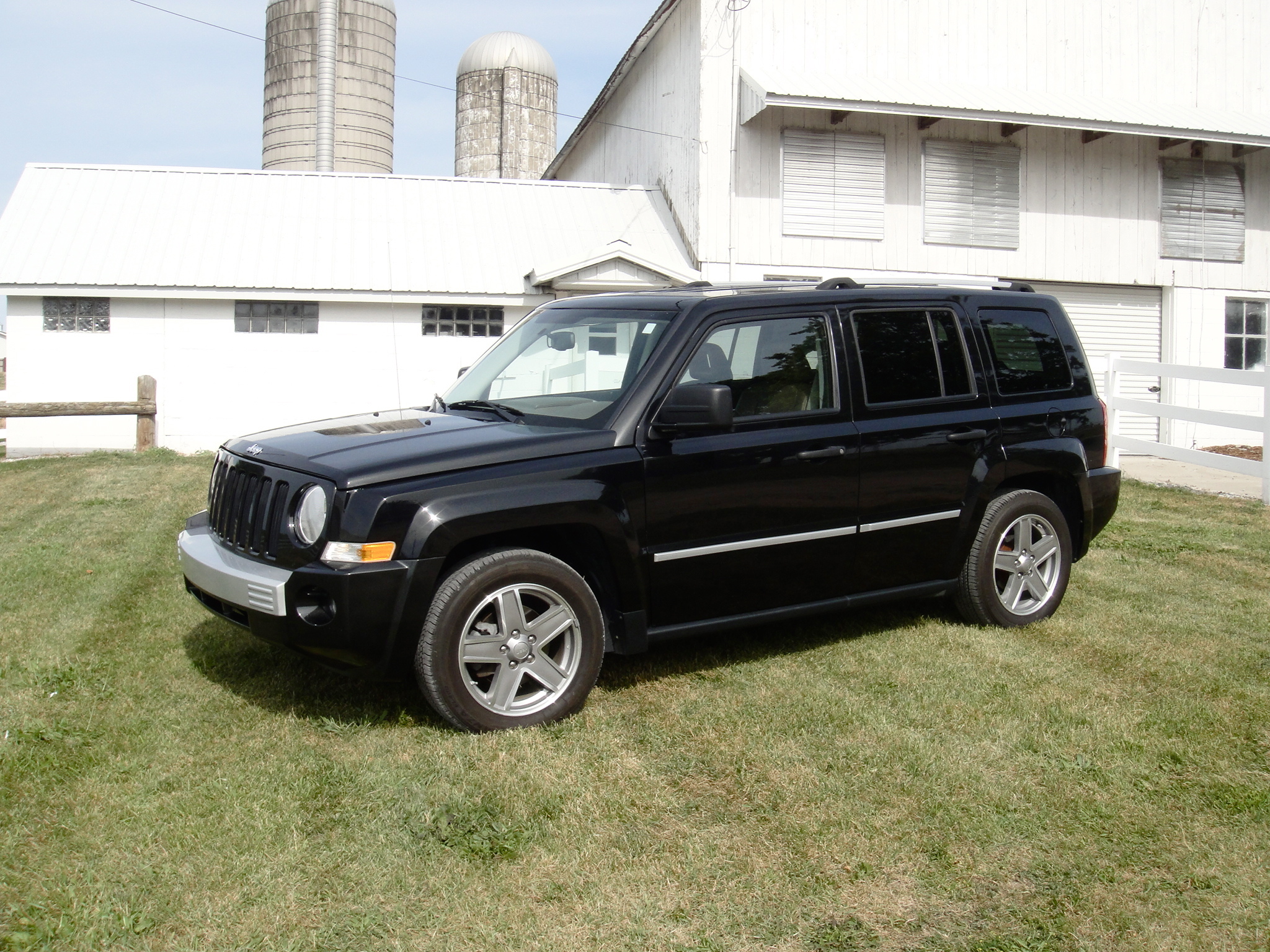
While I am sad to bid adieu to my trusty 1998 Chevrolet Lumina (a vehicle I affectionately refer to as the “Grandma-mobile”) I’m excited to welcome Mr. Jeep into my life.

But the Lumina and I had some good times.

During my YEAR as a commuter, this navy blue workhorse drove me 160 miles a day, five days a week. She wasn’t flashy, but she got the job done. Want to know how to avoid the cops? Drive a navy blue Lumina. They are invisible.

Though I longed for four-wheel drive in the icy winter months, the wide, boatlike stance of this sturdy car kept me safe. We’ve been through flat tires, worn brake pads, and a dramatic trip into the ditch. Over the years she’s lost some paint and some giddy-up, but I couldn’t have asked for a better commuter car.

Since I accepted a job closer to home, the dairy man and I have been talking about a new vehicle. DM wanted a truck. I wanted a fully-loaded Lexus. But since it’s nearly impossible* to climb into a tall vehicle while wearing a pencil skirt and I don’t have a spare 80K lying around, we went for a Jeep.

(*I say nearly impossible because I ride in the DM’s truck frequently. It isn’t easy to climb into a big, red monstrosity without running boards while wearing a skirt and heels, but I have mastered the technique. 1) Sacrifice all dignity, 2) Squeeze legs together tightly, 3) Place one hand on the seat, one hand on the door, 4) Hop upwards with as much force as you can muster, and 5) Use your arms to swing this inertia  to the left and into the seat. Simple, right?)
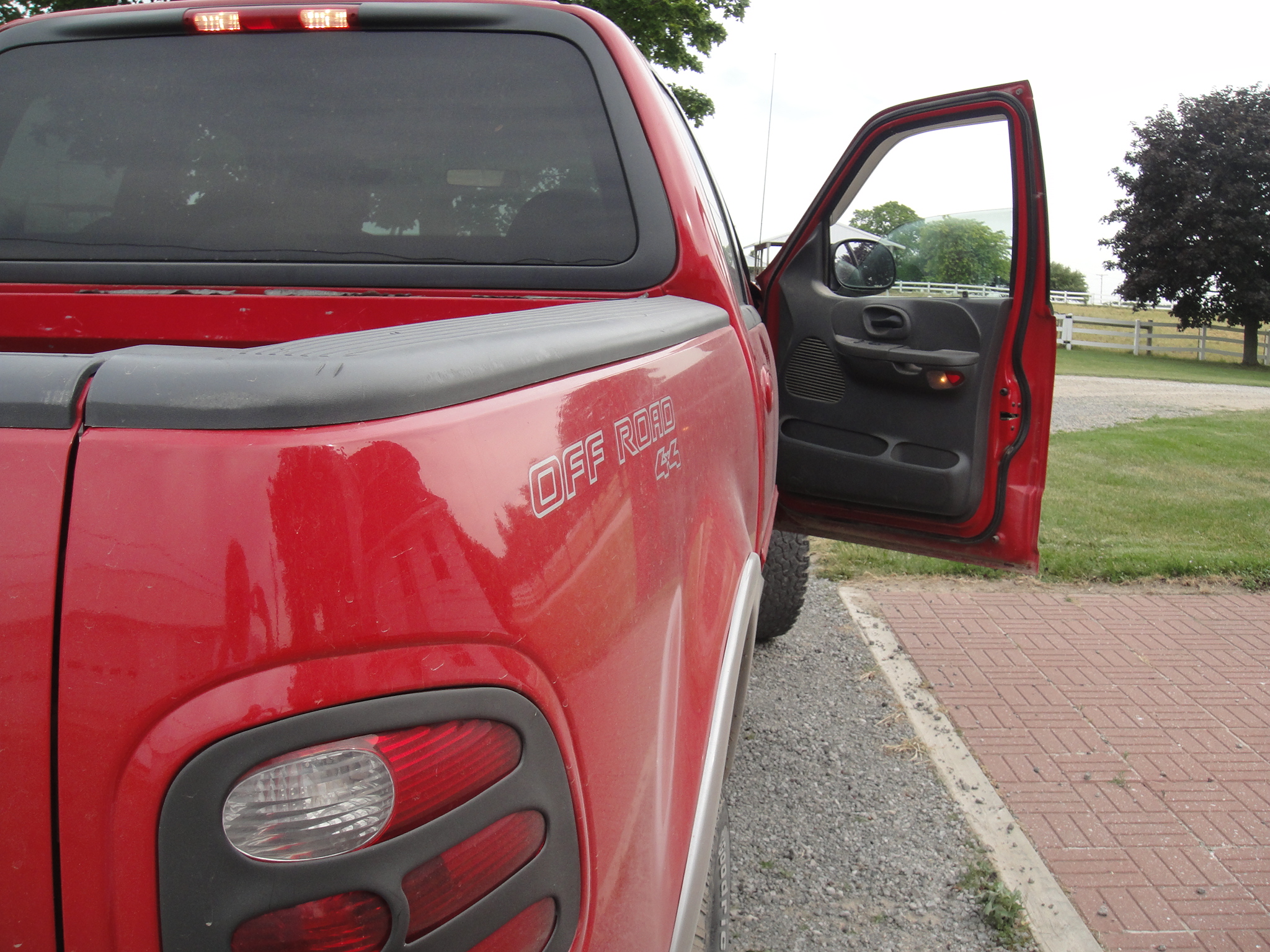
There is some cruel irony to the fact that I waited until my commute shrunk from 1.5 hours to 15 minutes to get a vehicle with all-wheel drive, but I’m moving up in the world. No matter how slowly I get there.

From the dairy man’s perspective, now there is NO reason I can’t drive out into a field to turn off irrigators or chase a wayward cow. This baby’s built for off-roading. It also looks just dandy in front of a manure spreader.
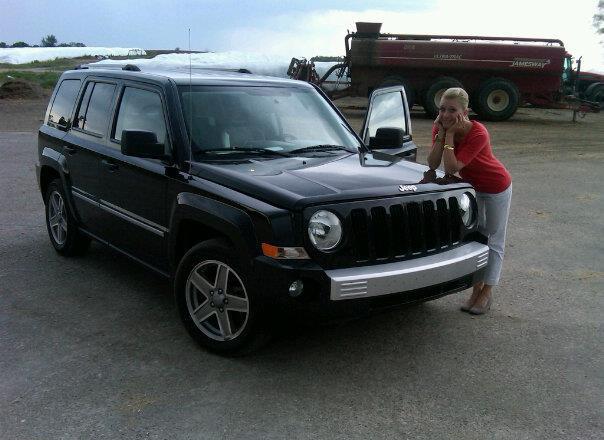
Blast. I see a lot of car washes in my future.
Strip it Down, Paint the Town

The Dairy Man is one of my blog’s most avid readers. He also takes personal responsibility for the content.

In that vein, DM is appalled that I haven’t talked about corn planting yet. I was so busy thinking about friends and dreams—silly me—that I forgot to mention that we just wrapped up one of the biggest jobs of the year!

Consider me repentant. So. Let me proclaim this from the mountaintops. As of three weeks ago, OUR CORN IS IN!

For you city folk, this means that our yearly crop of cow food is well underway. Every inch of the green stuff will ultimately be harvested for corn silage in the fall.

Last year was my first planting season, but this year I was almost prepared for the craziness. For two long weeks, the Dairy Man started at 7 a.m. and ended at 11 p.m. He was delirious with sleep deprivation and was always covered in dust. I saw him at breakfast and through a bleary half-conscious fog when he climbed into bed. The lack of quality time with my friendly farmer directed my attention into other pursuits. I read a lot, got completely caught up with The Office, and took long walks with Jersey the dog. I changed my cooking criteria from “will this taste good?” to “will this reheat well?”

It was a lonely few weeks, but I’m not a newbie anymore. I knew it would end … eventually.

Believe it or not, this year’s planting palooza was even a little crazier than last year’s. Over the past 365 days, we’ve gone from 600 to 1,000 acres. (More bovine mouths to feed, dontcha know.)

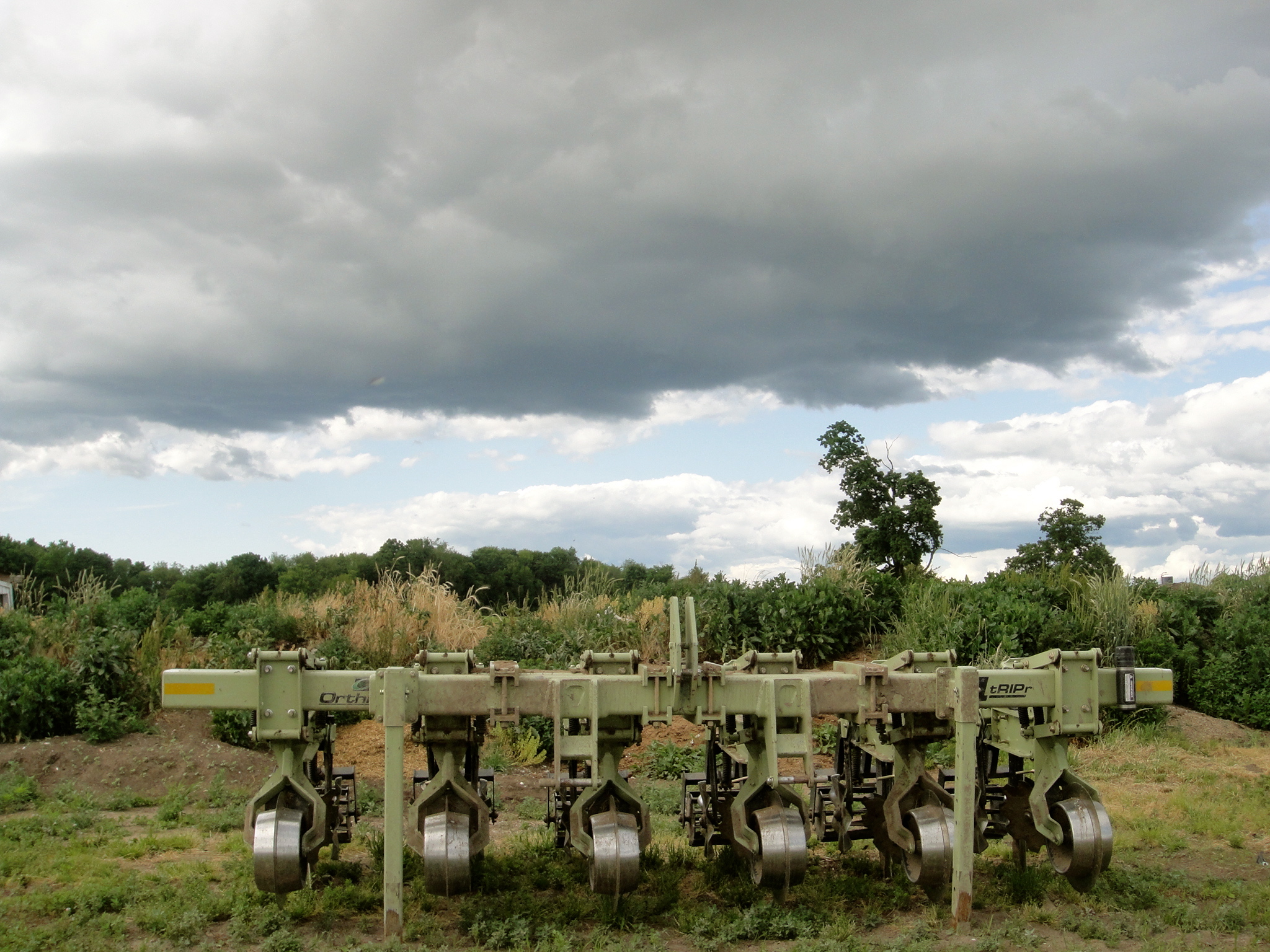
This year, in order to speed up the way we prepare the soil, the Dairy Man went from disking to strip-tilling. My apologies to those who googled “strip teasing,” and found this post.

If you’re a farming greenhorn like me, you’ll need a definition of tilling before we talk about stripping. Tillage is the preparation of soil for planting. This process is implemented by machines agitating the dirt by digging, stirring, and overturning. Tillage dries out and turns the soil as well as creates an optimum seedbed for our corn babies.

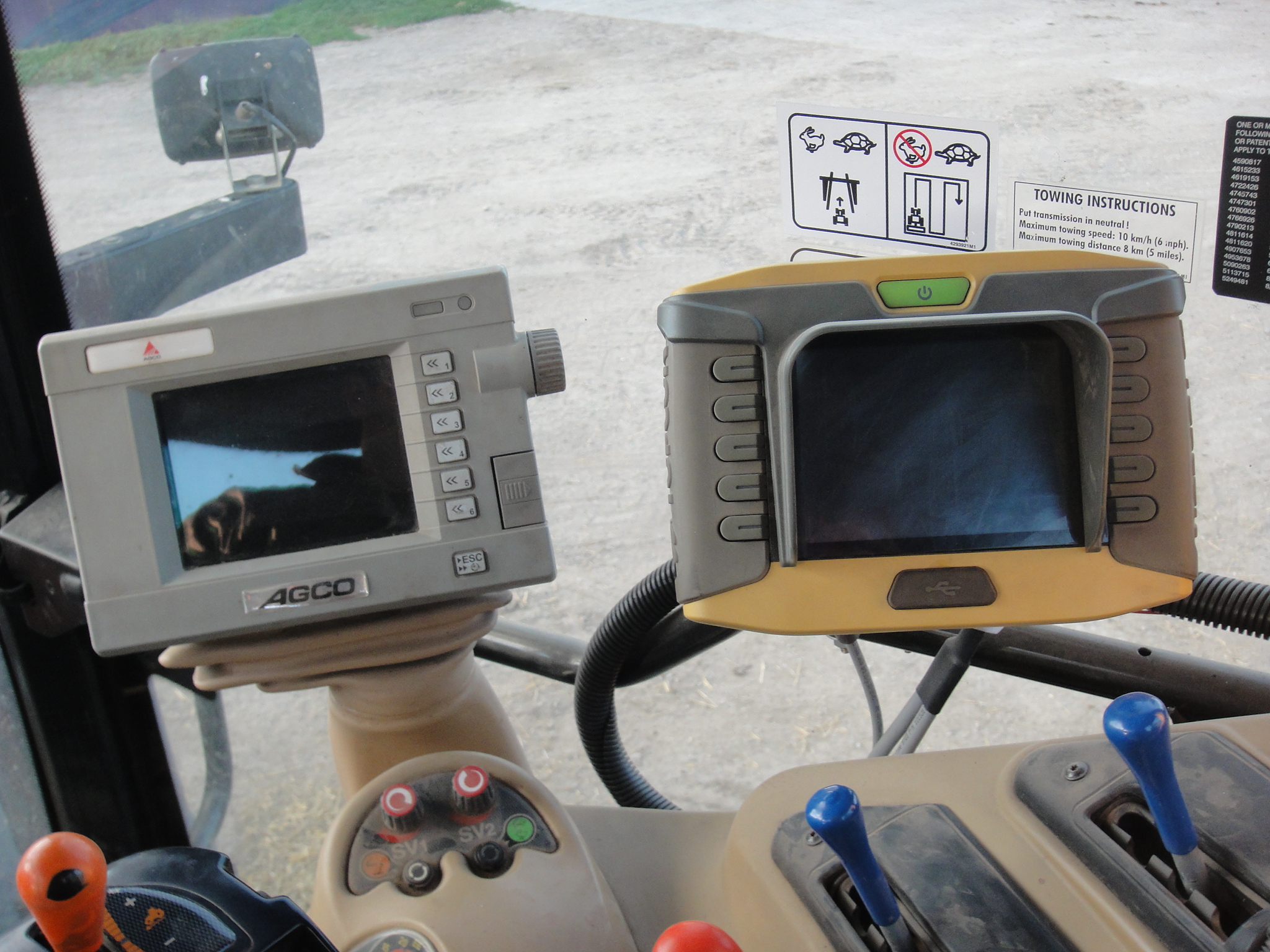
The Dairy Man’s tractor even has a GPS system with auto-steer to create straight lines and parallel strips for the rows.

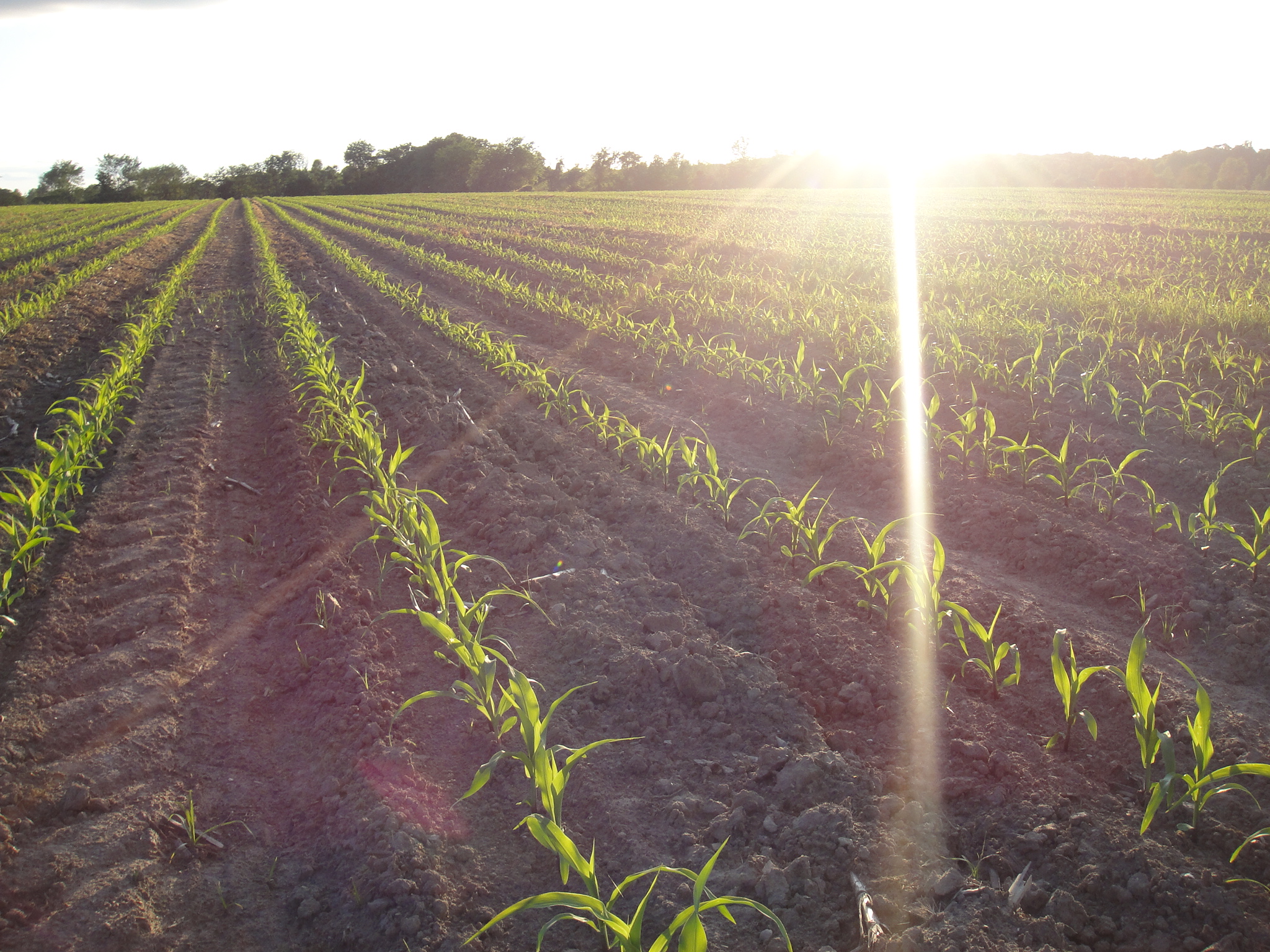
All corn rows are perfectly planted 30 inches apart. It certainly beats sitting out in the field with a yardstick, eh?

Last year we tilled our fields with a chisel plow and a disk. This year, we switched to strip-tilling.

The Dairy Man had three big reasons for the change.

  1. We have quite a bit of sandy and hilly ground. Strip-tilling helps to eliminate soil erosion (via wind or water) by only churning up strips or zones of soil, as opposed to the entire field. You can see the organic material left behind in the rows in the photo above.
  1. The ground holds more moisture because not all of the soil is turned over.
  1. It’s all about speed, baby. Strip-tilling is a one-pass system. Our chisel plow only tills 5 acres an hour (plus we still have to disk at 10 acres per hour). The strip-tiller tills 12 acres an hour. Boo-yah.

Based on the size, scope, and soil of our two dairies, strip-tilling was the obvious choice this year. Well … obvious for the farmers. Obviously. Between you, me, and the kitchen sink, I didn’t notice that the machinery looked a little different this year until the DM pointed it out. Whoops.

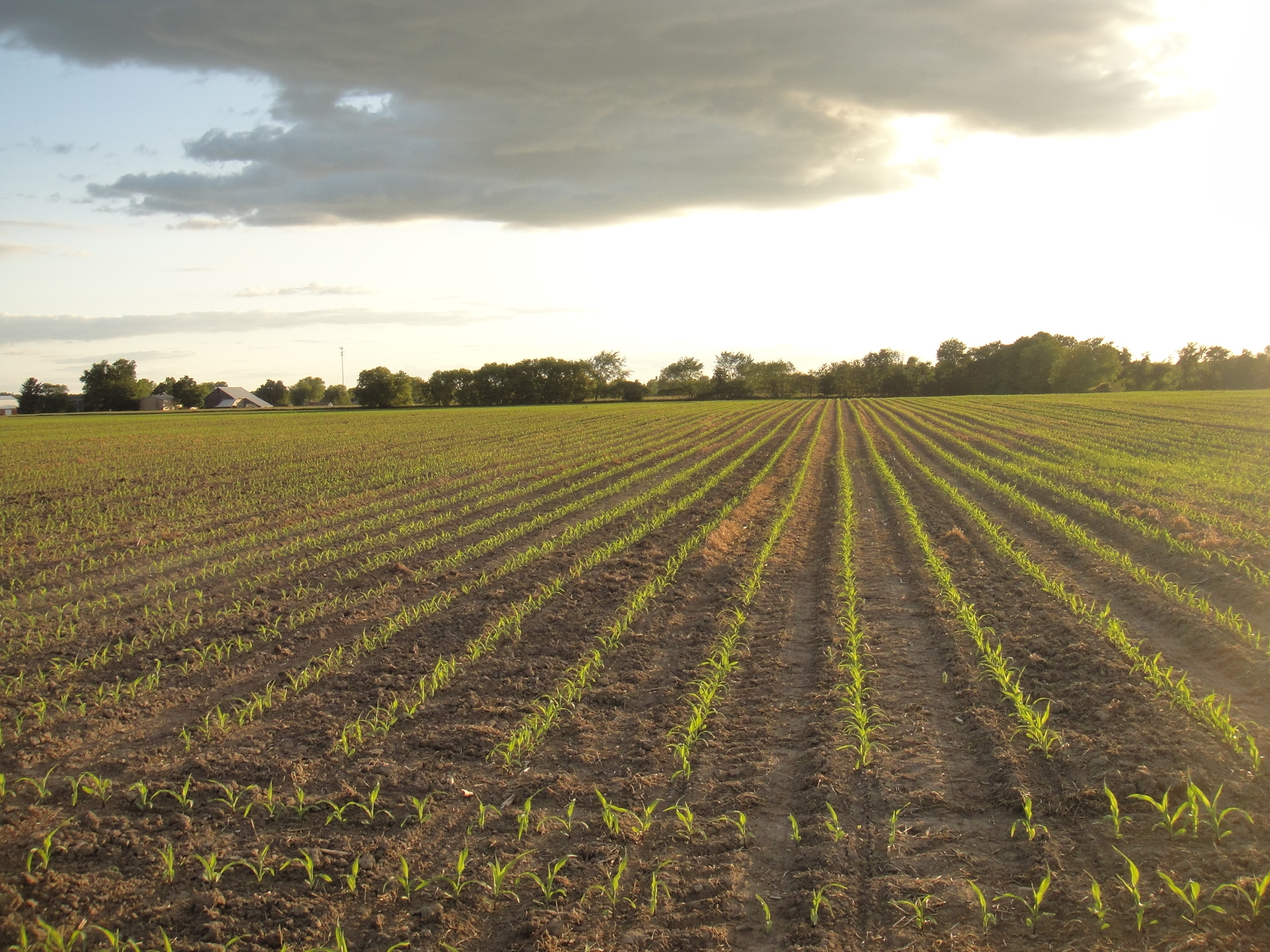
After the ground was tilled, the planter came through and spread its seed.

And there you have it. It would be terrible to let the excitement of stripping (again, my apologies to the wayward googlers) pass me by.

I expect to see 32,000,000 leafy corn stalks (32,000 seeds per acre x 1,000 acres) grow and mature in the coming weeks and months. The country is blooming and the Dairy Man couldn’t be happier.

As for me, I’m enjoying the brief reprieve before another round of haying. Oof. I’d better order some more books.

Where Dreams and Dairy Cows Coincide

My childhood was immersed in stories.

I read veraciously. I wrote obsessively. I actually got in trouble for reading too much (when I was supposed to be bathing, when I was supposed to be getting dressed, when I was supposed to be sleeping). Super nerdy. As I added facts, literary devices, and vocabulary words to my holster, I began to write my own stories. I wanted to write a novel, become a foreign journalist, publish poems.

When I went to college, I had big dreams of the city, journalism, and power suits. I knew the pickings were slim for jobs in my creative field, so I planned to move far, far away. But then I met a handsome farmer. We moved to the country. Our lives unblinkingly surged in another direction. The longer I was on the farm, the more my dreams became entangled in my husband’s dreams. These new dreams weren’t better or worse, they were just different.

I think I was always in danger of becoming complacent.

I worked through my issues with cows, country, and the lack of Chicago (my marriage depended on it). I found the strength to support my husband’s dreams, often above my own. I teetered on the edge of martyrdom, but I managed to find happiness in my new home. I dealt with the transitions much more gracefully than anyone expected I would.

But something inside of me cooled. The passionate, wild, idealistic dreams of my post-college months succumbed to “realistic” dreams that would put food on the table and give me a modicum of self-respect. I found a job with people I liked. I learned to cook, loved on my dog, and fixed up our old farmhouse. I knew that my creativity was most likely going to be used on my own time, so I started a blog.

It was almost enough.

I still felt twinges of loss—the growing pains of new dreams—but I was happy. I knew that dreams change, twist, evolve, and even disappear over the course of a life and there was nothing wrong with that.

This all changed when I heard about an amazing job in our small town. It was the kind of job I dreamed of as a young college grad, full of writing, graphic design, social media, and zeal. It was the kind of job I could see myself growing into for the rest of my career.

So I applied. Somehow, I got it. After only seven months in my current job, I am moving on again.

If there is one thing I’ve learned from the Dairy Man and his farming family, life’s greatest riches come to the risk-takers. Very few people have the world dropped into their lap. Ultimately, every dream requires a dangerous first step … and hundreds of difficult steps after that. My father-in-law milked every day for seven years when he started the dairy. That’s every single day; twice a day; no weekends, holidays, or vacations. For S-E-V-E-N years. He made profound sacrifices that would one day lead to a booming, successful business. He risked everything he had. It would have been impossible to predict success or failure, but his dream sustained him.

As the wife of a dreamer, I’ve had to find peace in the truth that we will have to take risks to achieve my Dairy Man’s dreams. Businesses don’t grow without sacrifice (time, money, relationships); career aspirations aren’t realized without leaps of faith; passions are not satisfied without following a dream.

Farm life has taught me flexibility. God has shown me that the best-laid plans are subject to his will. Life happens, love happens, cows happen. At the end of the day, however, I know that the farming man who is brimming over with vocational passion will rejoice that I have found mine. We celebrate each other’s dreams.

I’m excited to start this new chapter of my career, but I’m also terrified. I thought this particular dream had fizzled. I accepted it. I felt God’s gentle nudging in a new direction. I clung to the best parts of myself, but I also acknowledged that I needed to evolve. I wasn’t willing to live a lifetime of dissatisfaction by doggedly clinging to old dreams, so I made new ones.

But this new dream is better than I could have imagined. I can feed the long-forgotten creative corners of my soul and still live in our small town, take long walks down dirt roads, and support my Dairy Man.

No matter which direction life takes us, we dream on.

Time Alone in Wide Open Spaces

As planting season gets underway, I find myself with an abundance of free time. While the Dairy Man spends every waking hour tilling and planting, I am getting (re)used to being alone.

This alone time often falls victim to things like naps, Facebooking, and Mad Men marathons, but I’ve been trying to spend more time taking long walks with the pups. Without any reason to rush home (i.e. no one is waiting for dinner), we’re free to journey further and further from the dairy.

Out here, there are no sidewalks.

There is no pavement.

We leave the dairy behind and set out into the deep country.

Jersey and I wander down dirt roads and disappear into an overhanging canopy of trees.

Tire tracks let us know that others have traveled the road before, but we don’t see a soul.

I would enjoy the walks more with company. Having the sturdy Dairy Man by my side would certainly dispel the occasional “I’m going to get murdered” feeling that comes from such rural isolation. But the wilderness is peaceful. I am alone with my pup, my thoughts, and the rustling of a gentle breeze through the leaves.

The silence is deafening. My soul craves it. Somehow these rolling hills and the wafting scent of manure stun me. I live in a beautiful place.

Things are only going to get crazier this spring + summer + fall, but I’m no longer a complete novice to this country life. The Dairy Man will get in when he gets in; we might eat tacos at 9:45 p.m. or Subway on the side of the road; I will have to relearn how to be alone. But I can’t help but feel so very blessed.

And you can’t beat the view.

I’m Sorry I Compared my Dog to Your Baby

This topic has been a long time coming. We need to talk about it. It’s part of my therapy. This is for all of the people who roll their eyes at me and say, “Oh gosh, you’re becoming one of those people.”

Hello, my name is Jessica, and I am just a leeeettle too attached to my puppy.

If we all think back, I didn’t want a dog. During the days of commuting and zero free time, it was hard enough to keep the Dairy Man and I fed, clothed, and alive. Why add anything else to the mix? But Dairy Man wanted a furry best friend to chase cows.

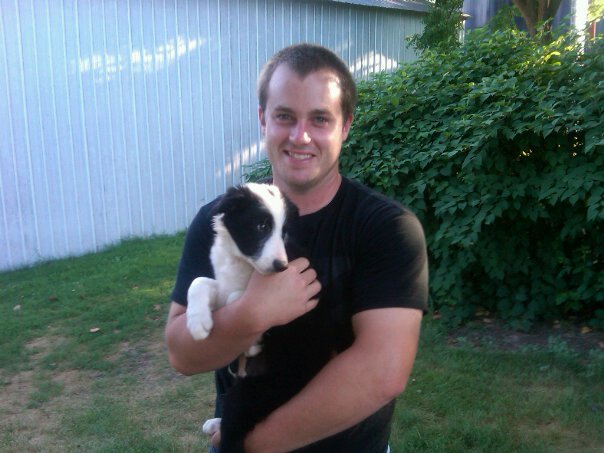
So, on DM’s birthday, we welcomed a border collie pipsqueak into our lives.

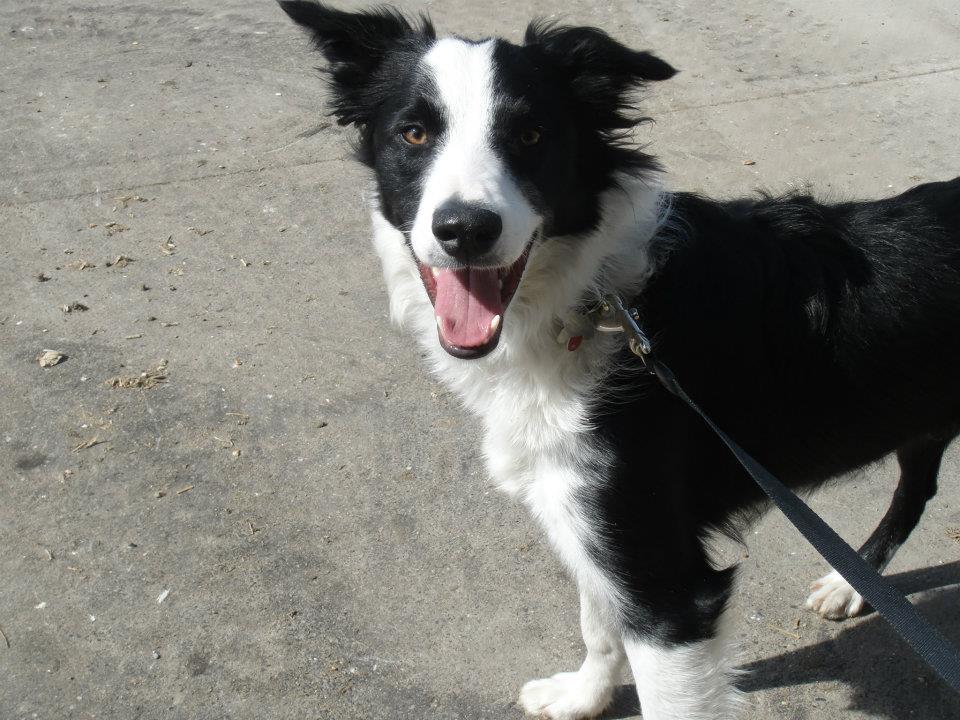
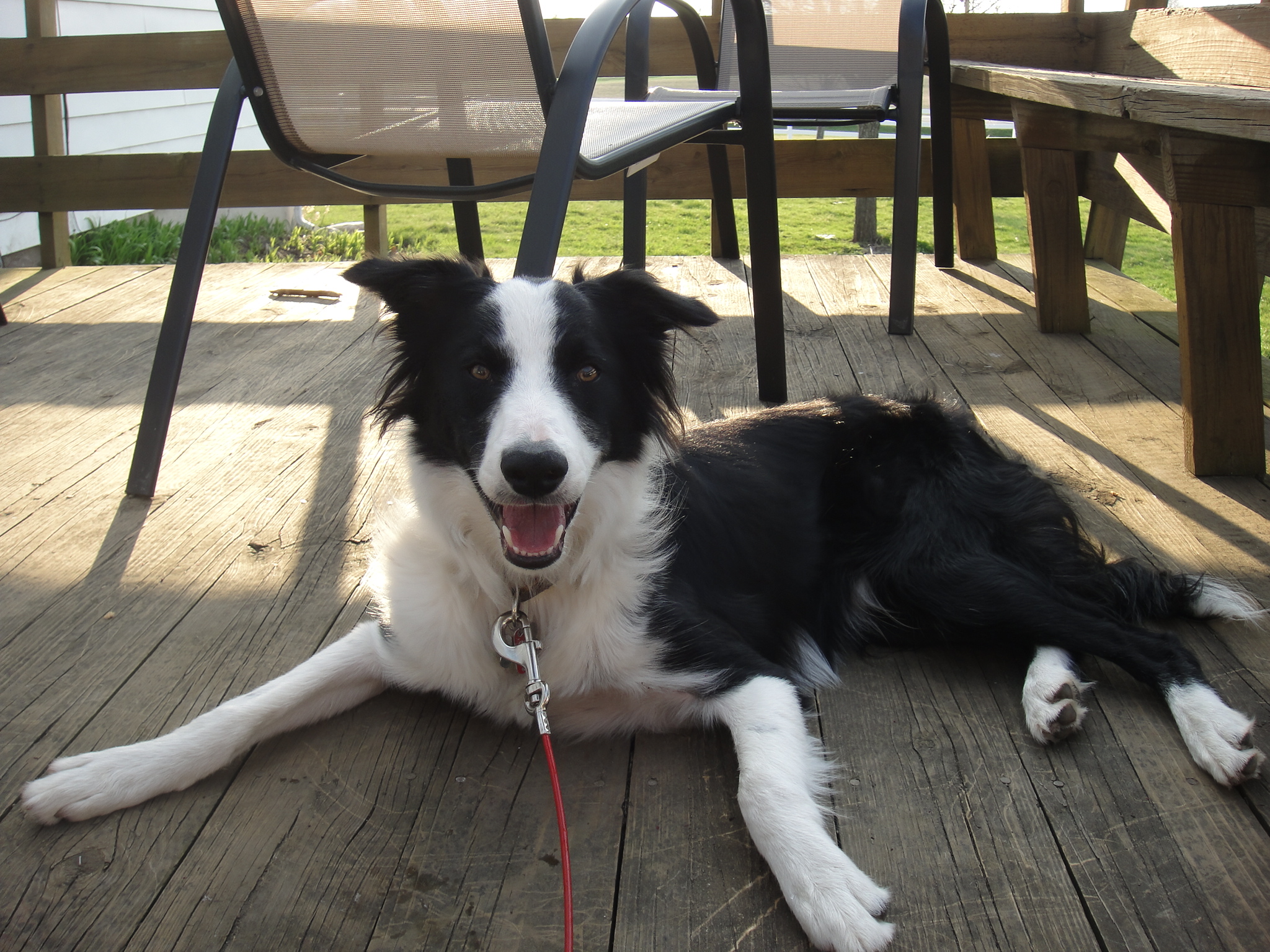
Jersey was supposed to live in the kitchen for a few months and then move outside to become a farm dog. But, well, I fell in love.

The girl who was terrified of animals (yes, the girl who lives on a farm) slowly, inexplicably turned into a dog person. I read books about dog training; I started following dog blogs; I fed the pup far too many treats; I left insane schedules for my brother and sister when they dogsat.

My favorite is the direction that he isn’t allowed to bark at people, but “cows or horses are ok.”

As if this outlandish testament to my OCD pup-love isn’t enough, I’ve compiled a list of 10 reasons why I’m a crazy dog person. Please don’t judge me.

  1. I compare my puppy to my friends’ children. Seriously. The words “oh, Jersey did the same thing yesterda…,” have slipped past my lips before I could stop them. I know babies are different than dogs, I do. Humans, dogs, I get it. But I can’t help myself.
  1. It’s impossible for me to serve dinner without at least one dog hair sneaking in. I know it’s gross. I’m sorry.
  1. I kiss my dog. Before I leave for work in the morning, when I get home, before he goes to bed, when I’m overcome with love for the little guy … you get the idea.
  1. We are Mom and Dad. My parents are Grandma and Grandpa. My dad calls Jersey his grandpup. Despite the Dairy Man’s pleas that “He’s just a dog!” this dog is a member of the family.
  1. I leave the TV on all day when the pup is home alone because I can’t stand the thought of him getting bored or lonely. As if he really wants to watch Judge Judy or Passions. On the upside, he is getting very good at trivia thanks to Who Wants to Be A Millionaire.
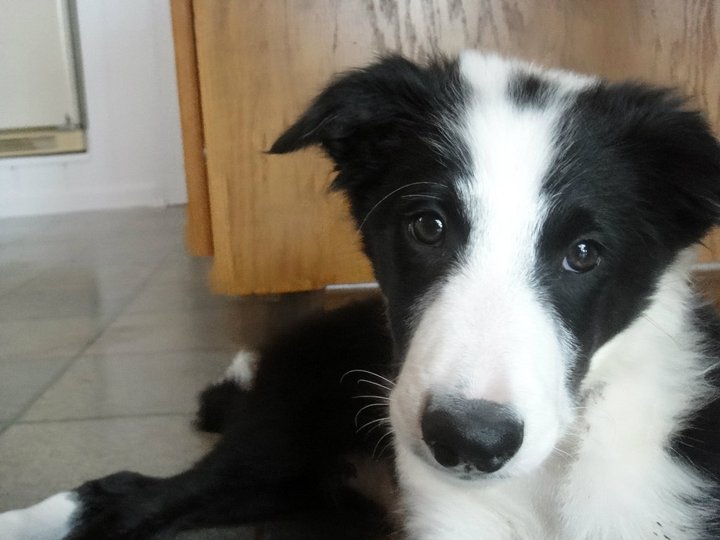
  1. There are more pictures of my dog than myself on Facebook. He even gets his own album. 90% of my mobile uploads are of the dog. My brain can’t comprehend that there are people who might not find the artsy close-up of my pup’s furry face to be the most adorable thing they’ve ever seen.
  1. When I talk to him, I expect answers. In English. In the Dairy Man’s frequent absences, the dog is my closet confidant.
  1. When Dairy Man and I go away for the weekend, no well-intentioned friend or family member will do for our dogsitting needs. Jersey goes to Whiskers Resort & Pet Spa. He gets his own suite, complete with bed, TV, and a unique theme. He goes to playgroup. He gets a bath, blowout, and a haircut. I’m quite certain he’s the only farm dog that has been to a spa.
  1. In preparation for a certain pup’s first birthday (May 7!), I’ve spent a good amount of time researching pupcake recipes on Pinterest.
  1. I let the dog lick me on the mouth even though I know that HE EATS MANURE ALL DAY LONG (!!). Something is wrong with me.

I could go on, but I’ll try to cling to the shred of dignity I’ve retained. At least I don’t dress the little guy! Though these would be perfect for our future spawn (or, as you could probably guess after #4, Jersey’s future “brother” or “sister”).

I have to laugh at how things have changed. I’m teetering on the edge of crazytown, but I think I manage to walk the line. Jersey the dog is a part of our family.

I may be “one of those people,” but I love this ball of fur. Though if you ever see him wearing a stylish tweed blazer and a tie, please get me some help. Woof.

When it Reeks to High Heaven: Adventures in Manure Management

Marrying the Dairy Man has inexplicably changed my vernacular, my vocabulary, and the stories I relay without a second thought. I am often shocked at the things that come out of my mouth. Seconds after nonchalantly finishing a sentence with, “…and that’s how the cow broke out of the barn,” I realize, with startling clarity, that I am slowly becoming desensitized to the things city slickers find abnormal.

I chat about feed prices. I regale mildly interested coworkers with tales of mischievous cattle. I utter words like “artificial insemination,” “TMR,” and “manure” without skipping a beat. It’s shocking. Half the time I don’t even realize I’m talking about something counter-Jess until I’m around a friend who knew me before I moved to the country. Their look of horror/shock/confusion provokes a moment of self reflection—“Um, how the heck do I know that!?”

I hope to cling to my urban roots for as long as I can. I don’t want to lose my knowledge of the Chicago subway system or how to be an aggressive city driver, but as I spend more time out here, it’s inevitable that I will slowly morph more deeply into my role as a farmer’s wife.

This brings me to something I never EVER thought I would be discussing: cow poop. Or, for those with more delicate sensibilities, manure.

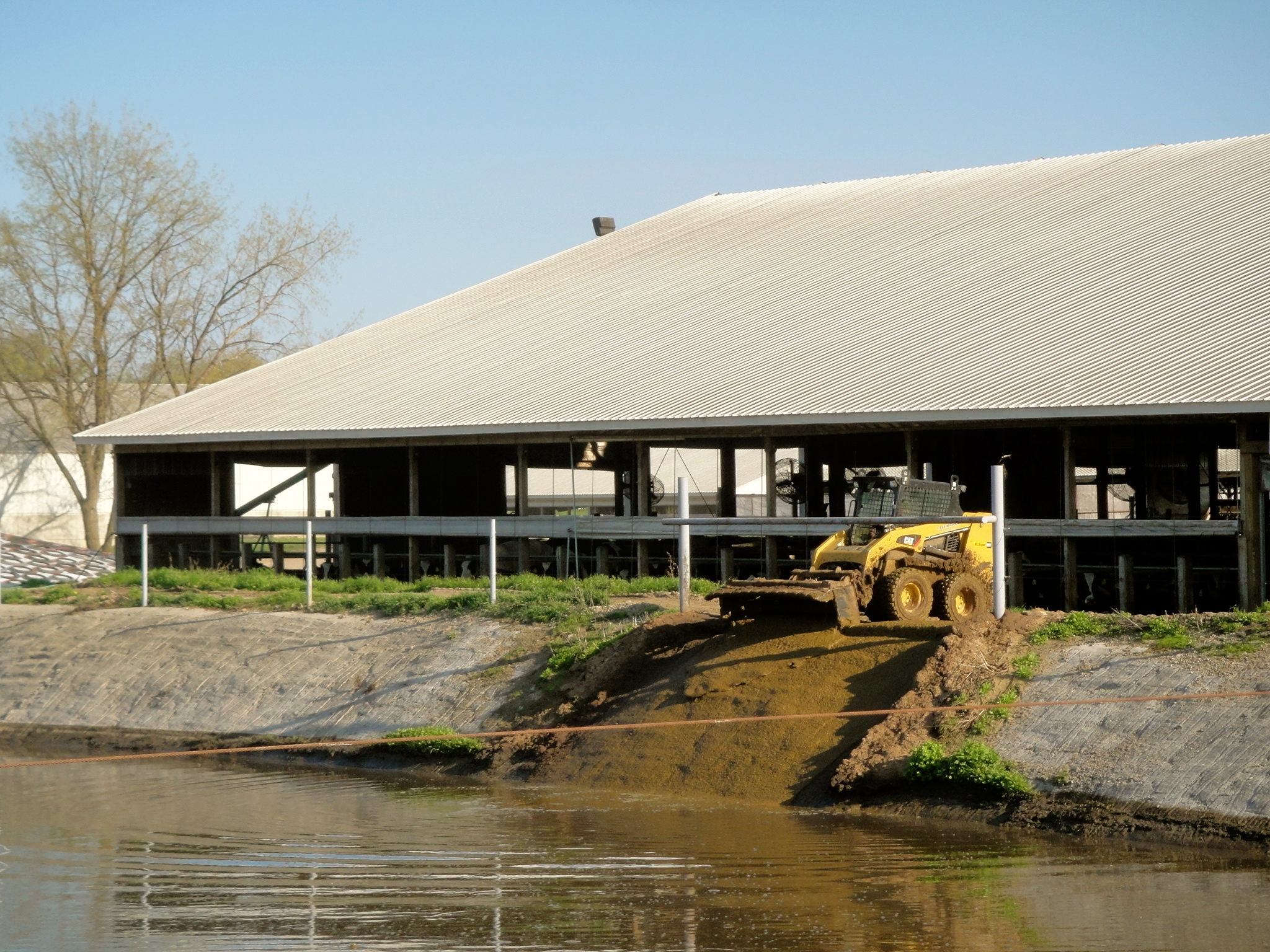
These are the facts: We have cows. Cows eat food. As with all animals, food has to be digested and then *ahem* disposed of. Our hundreds of bovine ladies spend a good majority of their day engaged in this disposal process. When the girls are in the milking parlor doing their thing, our employees drive a skidster (small loader) through the barn and push the latest offerings out into a manure pit.

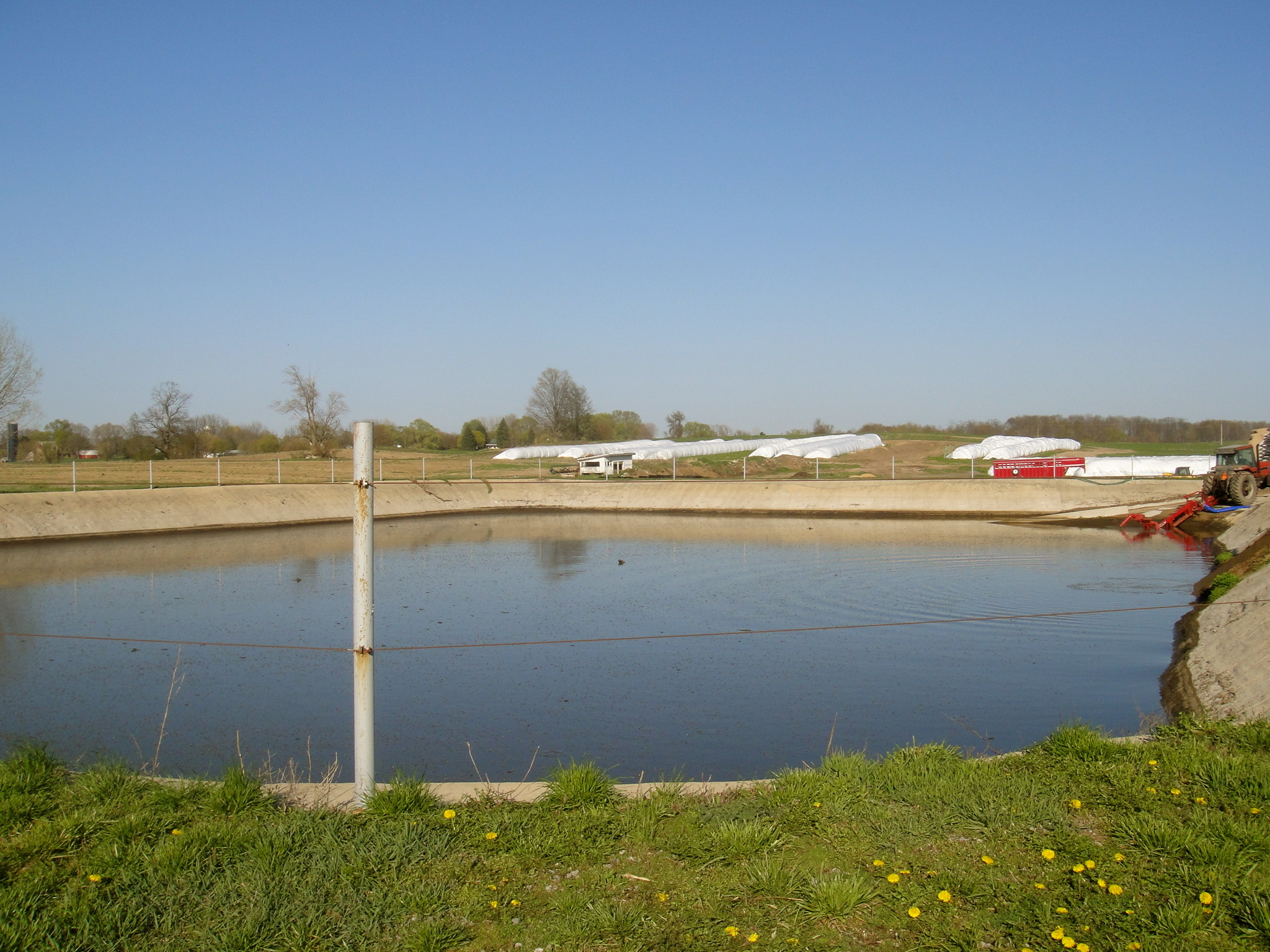
Our dairy has several small pits. Please do not confuse them for ponds or reflecting pools. Not even the ducks would make that mistake.

The Dairy Man’s father’s dairy (also known as the home dairy) has a massively ginormous pit.

This baby is the size of a soccer stadium and can hold FOUR MILLION gallons of manure. Back in 2008, it was a thrilling addition to the farm.

Each winter, the cavernous pit fills to the brim. In the spring,  we (as always, “we” is a loose pronoun) spend a couple of frenzied weeks emptying it out.

Typically our manure hauling just involves a pit, a pump, and a tractor. But during the weeks I’ve dubbed “Manure Mania,” we actually bring in trucks to expedite the hauling process. This allows us to haul a greater quantity of the smelly stuff in a shorter period of time (because, after all, five trucks can drive much faster than one tractor). The Dairy Man hauls manure throughout the year, but there are only a couple of weeks in which we actually try to empty out the pits.

During the mania of manure, there are four steps.

1: Pump the manure from the pits using a tractor.

2: Fill a truck and drive it to one of our fields (we’ve only got 1100 acres to choose from – oy vey).

3: Pump stinky liquid from truck to manure spreader.

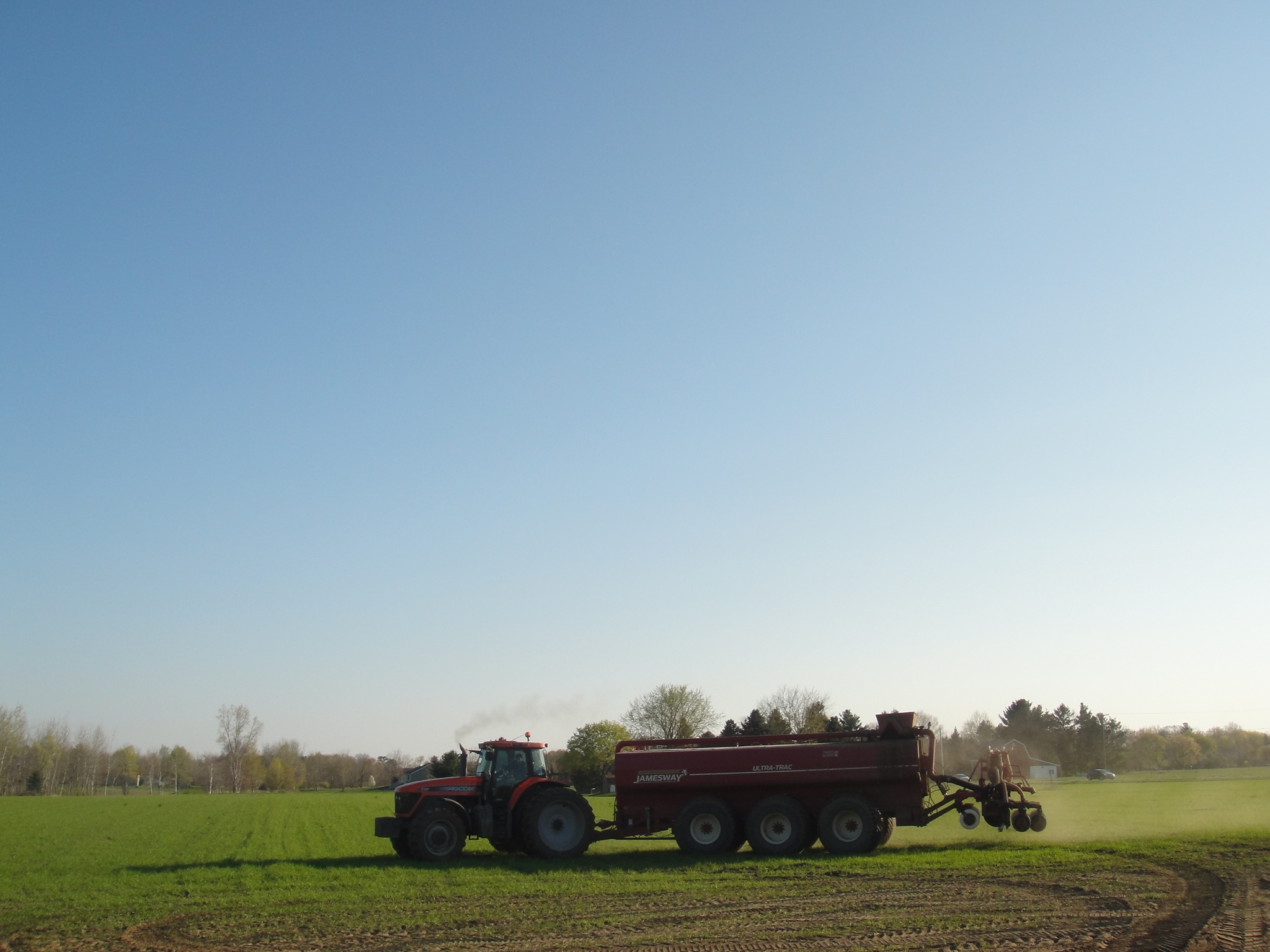
4: Drive the tractor through the field spreading a delightful fairy dust of … poo.

Rather than simply throw manure on the fields, we inject. Oh yes. A futuristic little contraption on the back of the manure spreader injects the organic fertilizer directly into the soil.

This process not only cuts down on the odor, but it injects nutrients directly into the soil, creating an optimum environment for our future corn babies.

Waste not, want not. The cows are making it and our crops will love it.

Now I just have to resist the urge to whip out this information at dinner parties.

When Getting Older Means Awkward Friend Dates

I feel that I am getting more socially awkward in my old age.

In this case, “old age” refers to the period of life after college. Something shifted the day my peers and I donned cap and gown to cross the fine line from student to adulthood. Sure, a few of a few of us got a slow start. Some stuck around that summer to finish up their last few credits. Others (like me) moved in with our parents to wage war with Michigan’s job market. Many of us stayed close to Grand Rapids, close to our home base. But in the years that followed, people moved away, went to grad school, got married, had babies. The inevitable diaspora could not be put off any longer.

And with this diaspora, my social skills began to wane. Now, I was communicating with my closest friends over email, phone, Skype. The effortless friendships of college, fueled by proximity, common interests, and a mutual love of Ernest Hemingway, were no more. I could no longer fall into late nights contemplating the mysteries of the male gender, big glasses of red wine shared on the back porch, spontaneous trips to the beach, to Chicago, to anywhere.

Suddenly, friendships required maintenance and effort.

After landing my first real job, I moved into a teeny studio apartment in Grand Rapids. I was mere steps away from restaurants, bars, theaters, concert halls, and the remaining post-college young adult population. It was more difficult to sustain a social life, but it was not impossible. All I had to do was force myself to put on a pair of heels and thrust those heels out into the world.

But then I married the Dairy Man and moved to the country. Life got better, but it also got different. On the weekends, the 1.5 hour drive to the city (and to my friends) was a nearly insurmountable barrier. There was nothing I wanted to do less on my days off than get back into the car and it’s not always easy to coerce friends up to your farm. Thus, my social life quieted down.

I won’t say that it was an easy transition. Though I comfortably settled in to weekend nights home alone with the dog (perhaps a little too comfortably), I was painfully aware that my finely tuned social capabilities were out of shape. I would often walk away from conversations at church thinking, “What the HECK was I talking about? I shouldn’t be allowed to talk to people. Yikes.”

At first, I refused to make friends in our small town. I think I still felt a twinge of resentment that I was being forced to move away from my sushi-loving, city-water-drinking, friends. I generalized, judged, and overlooked the people around me. I watched too many episodes of The Beverly Hillbillies. Believe it or not, living in the country does not make you a gap-toothed, moonshine-drinking, overall-clad hill person. The more I looked around, the more I realized that there were a lot of people like me. I somehow fell into a group of fiercely smart, strong, and hilarious women.

It wasn’t as effortless as college. I vividly remember asking Chelsea, a girl I barely knew at the time, out for dinner. A “friend-date,” if you will. I must have tried on five different outfits. The Dairy Man thought I was crazy. During dinner, my head was filled with a litany of thoughts usually reserved for first dates: “Do I have food in my teeth?” “Am I talking too much?” “Is she having fun?” “Am I having fun?” “Is she really going to call me?”

It was ridiculous. Thankfully, a few months later, Chelsea confessed to the same insane thoughts during that first dinner. This is what happens when adults try to make new friends. Sheesh. It’s difficult, uncomfortable, and there’s no guarantee it’s going to work out.

I’m happy to report that the friend date (and those that followed) went well. Despite my adult social failings, I’ve made friends in this town. I miss my old haunts and college cohorts, but somehow a social life has sprung up in the boondocks. It gets harder in adulthood, but you just have to shake off the awkwardness.

The Dairy Man and I know wonderful people. We do fun things. And I even find time to discuss British literature every once and a while.

Those Lazy-Hazy-Crazy Days of … March!?

Oh hey, in case you haven’t heard, the weather in Michigan is going crazy.

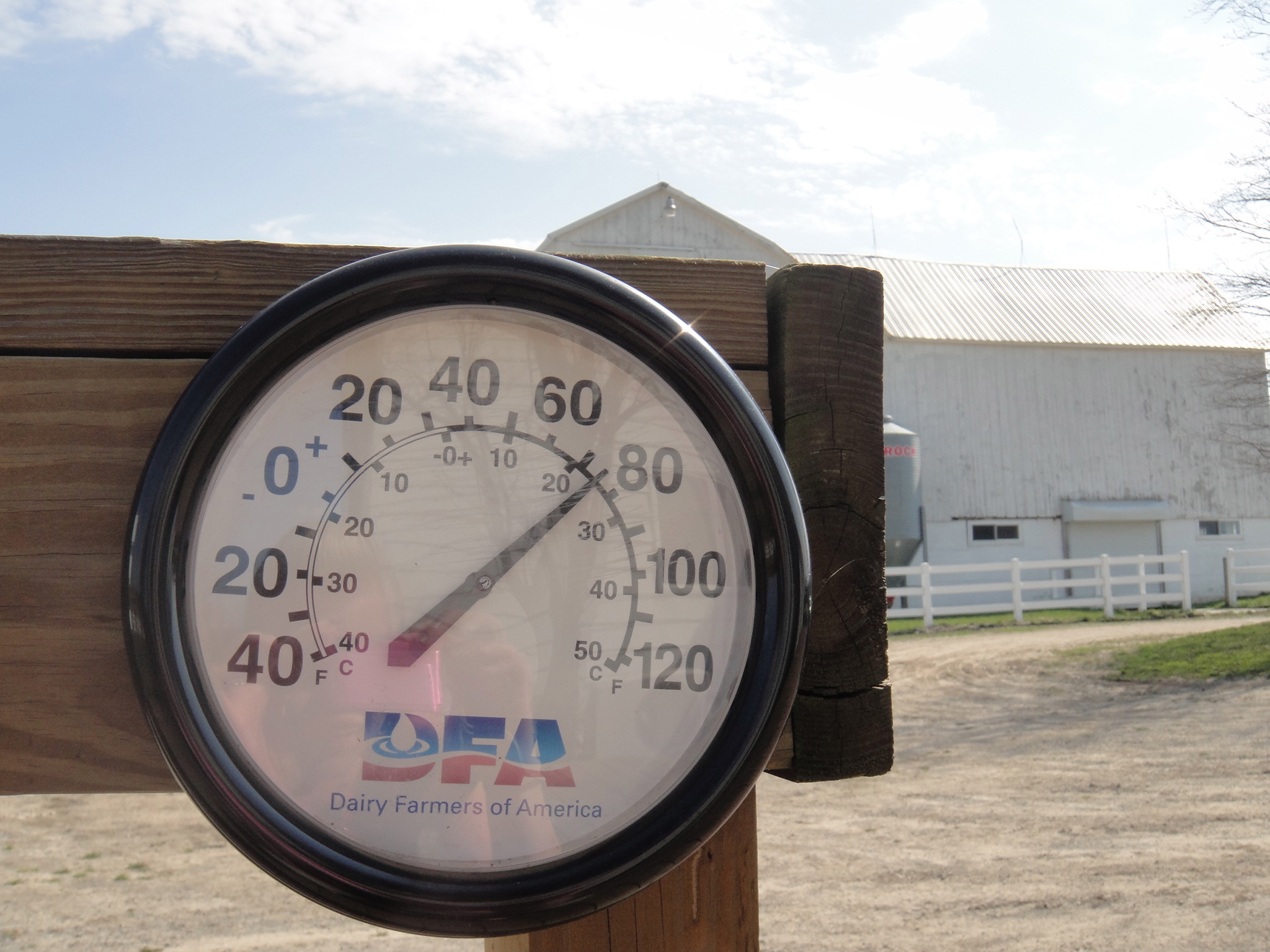
This was the temperature two days ago, on MARCH 19. This was only at 12 noon. It went up from there. To 85 degrees.

March, a month that usually brings light snow flurries, gradual warming (to the 40s/50s), and the fleeting promise of spring has plopped us smack into summer.

For the past week, temperatures have been in the 70s and 80s. Wednesday’s high was one the warmest ever recorded in West Michigan in the month of March. Phew.

Even though a small part of me feels like the world is going to end in a apocalyptic ball of global warming, I have emerged from a long winter hibernation desperate to soak up as much “summer” as humanly possible. The hammock is out, my skin is rosy (from a long nap taken in aforementioned hammock), and all of our meals take place on the deck. From this vantage point, it’s easy to see that everything is turning green.

I know that this is wrong, wrong, wrong. This can’t last. Something in the universe has gotten out of whack and we’ll probably get a blizzard in the middle of June. I half expect to see a plague of locusts or frogs spring forth from the earth.

The cows are confused. Most of our girls haven’t even shed their fluffy winter fur yet. They are hot and bothered, but fortunately the Dairy Man turned on our big fans to cool things down. There was talk of a frozen daiquiri bar, but Dairy Man wants to try the fans first.

The heat wave has also allowed us to get a jump start on Manure Mania 2012. Bum bum bum. The Dairy Man doesn’t call it that, but I added a name to the annual process to lend some drama and flair. I’ll provide more details on this odorous undertaking in a future post, but all you need to know at this point is that warm weather = manure spreading. All day, every day. Our two orange tractors work the pavement from dawn till dusk. Pit to field, pit to field, pit to field. The goal? To empty our manure pits before the real craziness of spring starts.

We’re not the only ones. Dozens of farmers’ tractors are motoring around the countryside and the scent of spring is upon us. The Dairy Man says it smells like success. I say it smells like, well… poo. Agree to disagree.

I know the summer-March won’t last forever. The earth will figure this out and I’ll go back to light sweaters and boots. But until then, we will haul, cool the cows, and spend time outside with the pups.

I just hope we can get him back inside.

Eat, Drink, and Give Milk

The Dairy Man and I aren’t diet fanatics, but we do pay attention to what we eat. Fruits and veggies are a must. Processed foods are limited. French fries, soda, and candy are seldom (though all bets are off during jellybean season). A balanced diet is very important.

Cows aren’t entirely different. My Dairy Man pays close attention to the diet of our bovine ladies to make sure that they stay healthy, happy, and high on the milk producing charts.

Before I moved to a dairy, I thought all farm animals ate …well… hay. That’s the iconic mental picture, right? In the far off, seldom-used corner of our brains entitled “what happens on a farm,” we see an overall-clad farmer, chewing a stalk of wheat, and heaving hay into a trough with a pitchfork. At least that’s what I thought.

But the process of feeding dairy cows is infinitely more complex than that. Dairy farmers have to be part nutritionist, part scientist, and part ecologist in order to properly feed the herd. On our dairy, we feed the cows something called a Total Mix Ration, or TMR. This TMR is comprised of several different commodities (found below).

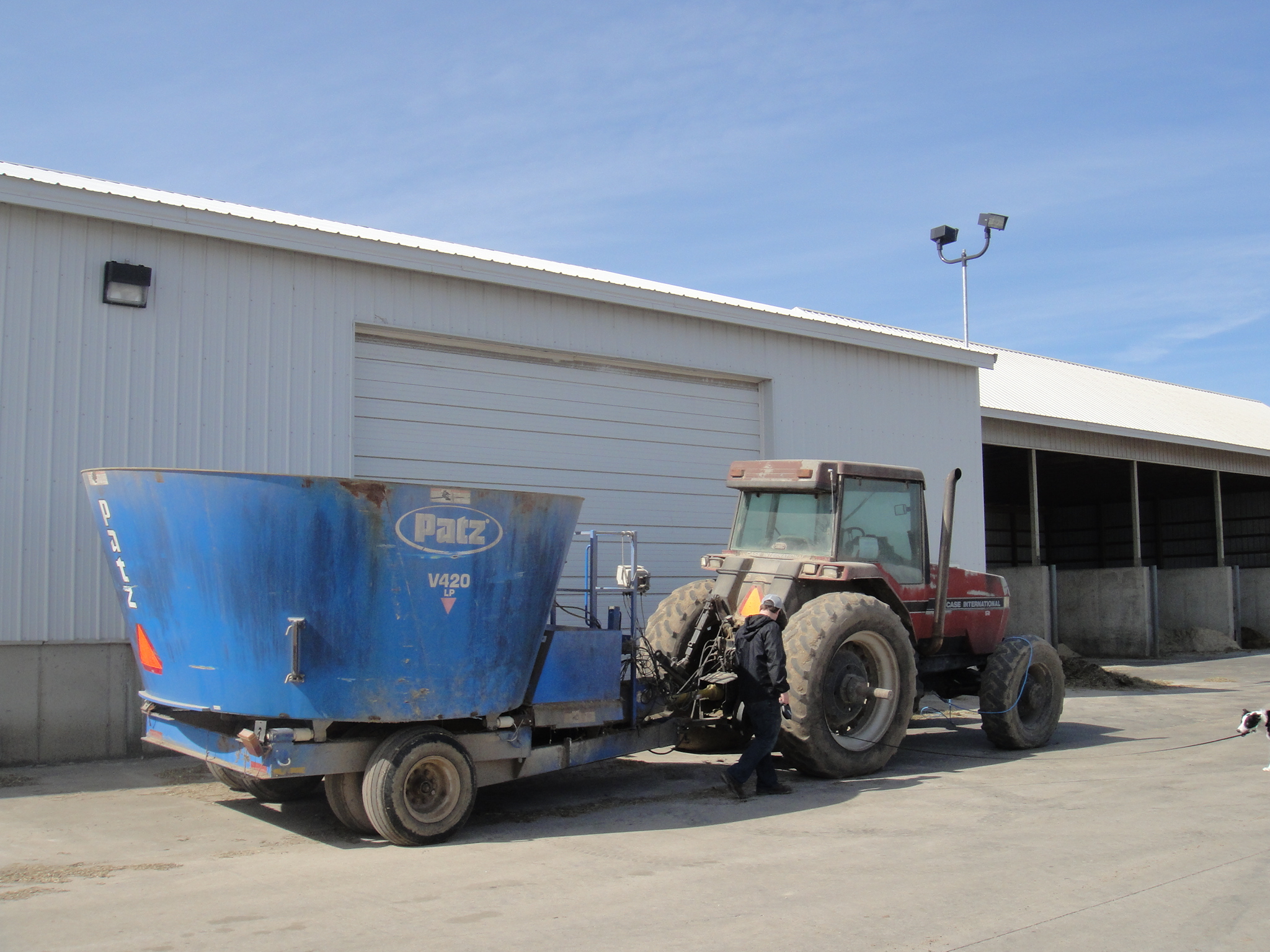
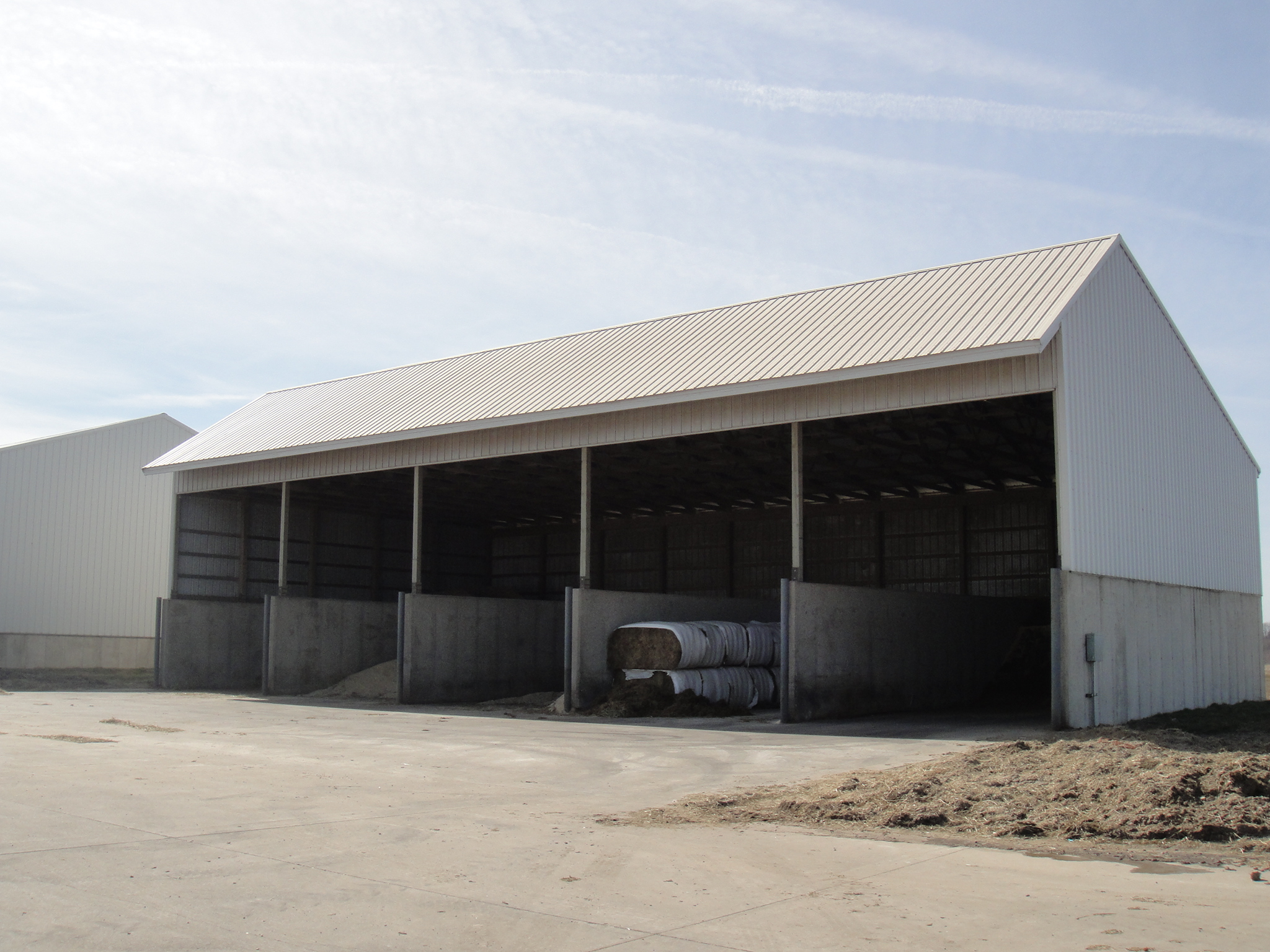
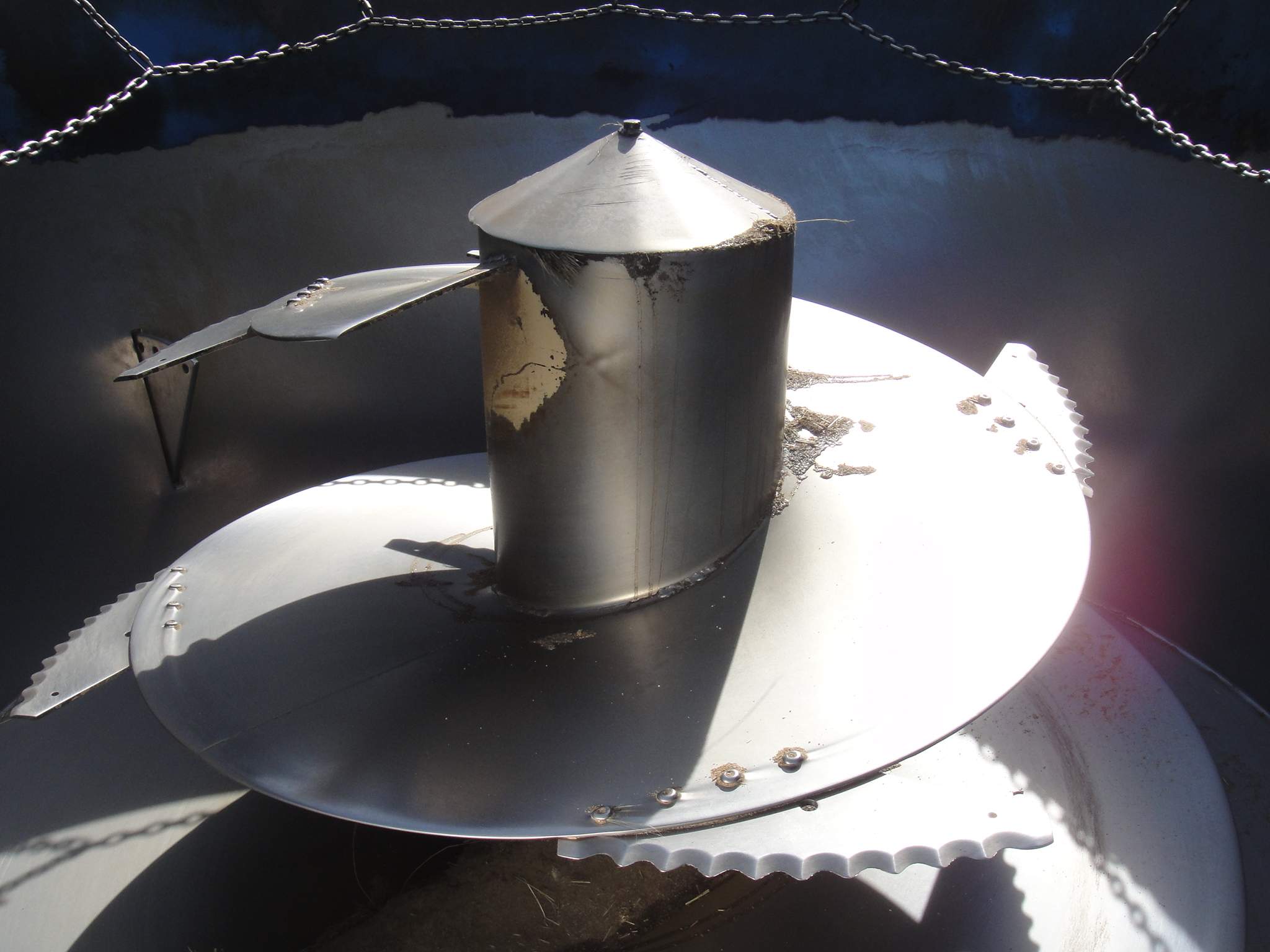
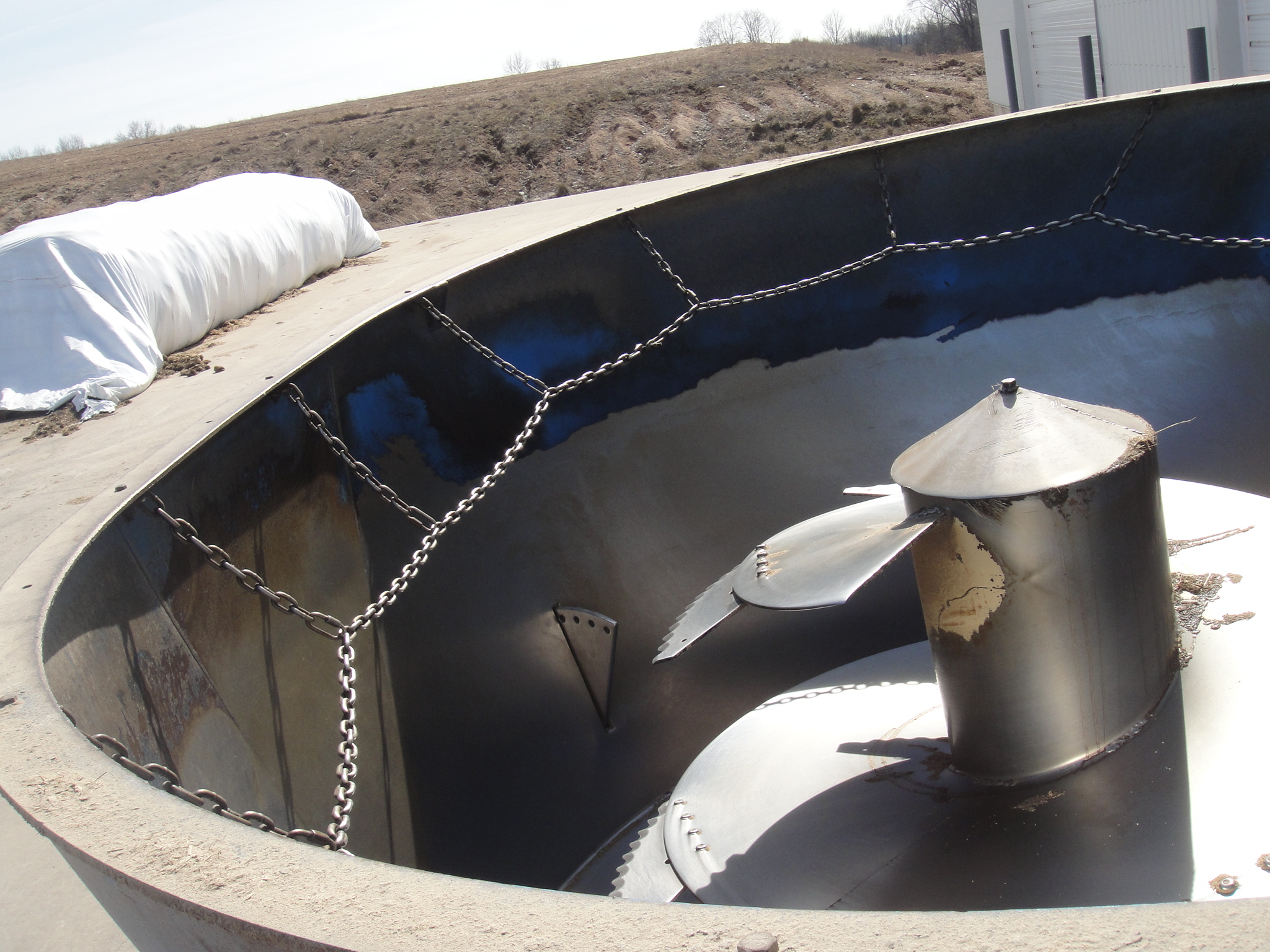
Our cows are fed once a day, typically after their first milking. While the ladies are in the parlor doing their thing, one of our employees hops into the tractor and pulls the mixer wagon (the dapper blue apparatus) to the commodities shed.

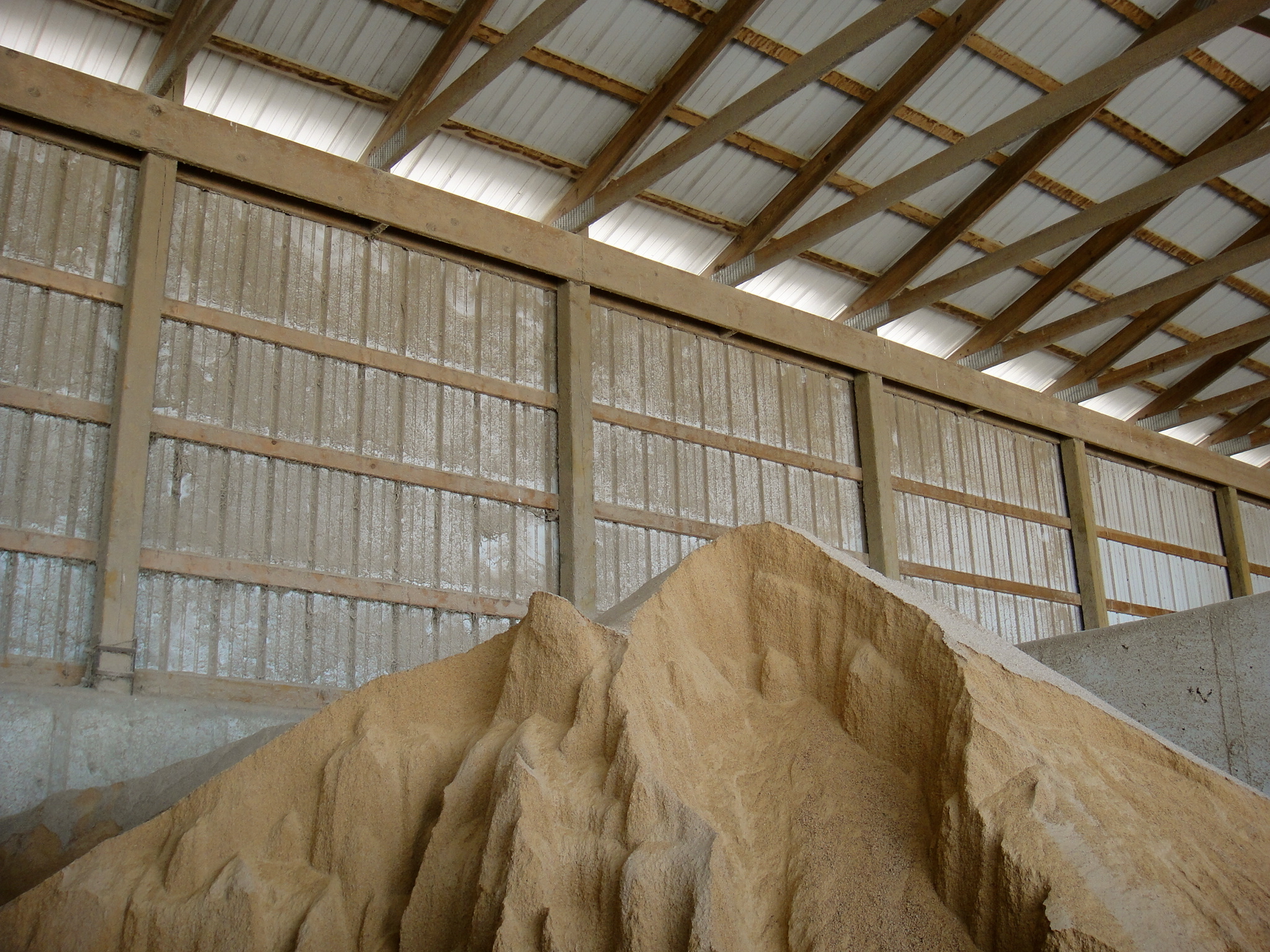
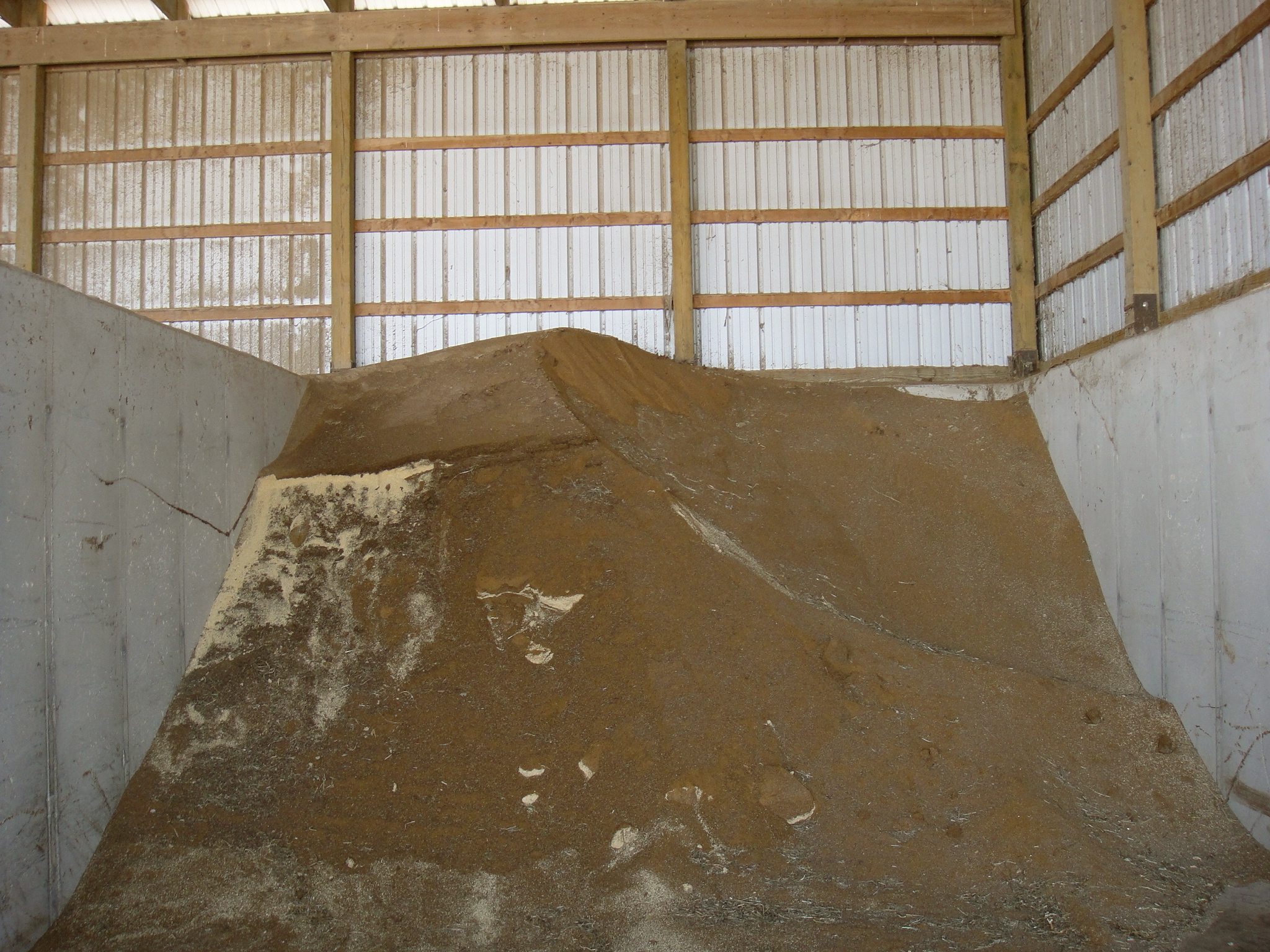
This is our commodities shed.

Each section holds a different tasty element of our cows’ feed. Think of it as the cow salad bar. Each component of the feed is mixed together into a carefully constructed ration inside the mixer wagon. This wagon is essentially a KitchenAid mixer on wheels. It doesn’t come in a plethora of pretty colors, but it gets the job done.

The metal blades spin as the ingredients are added and blend them together.

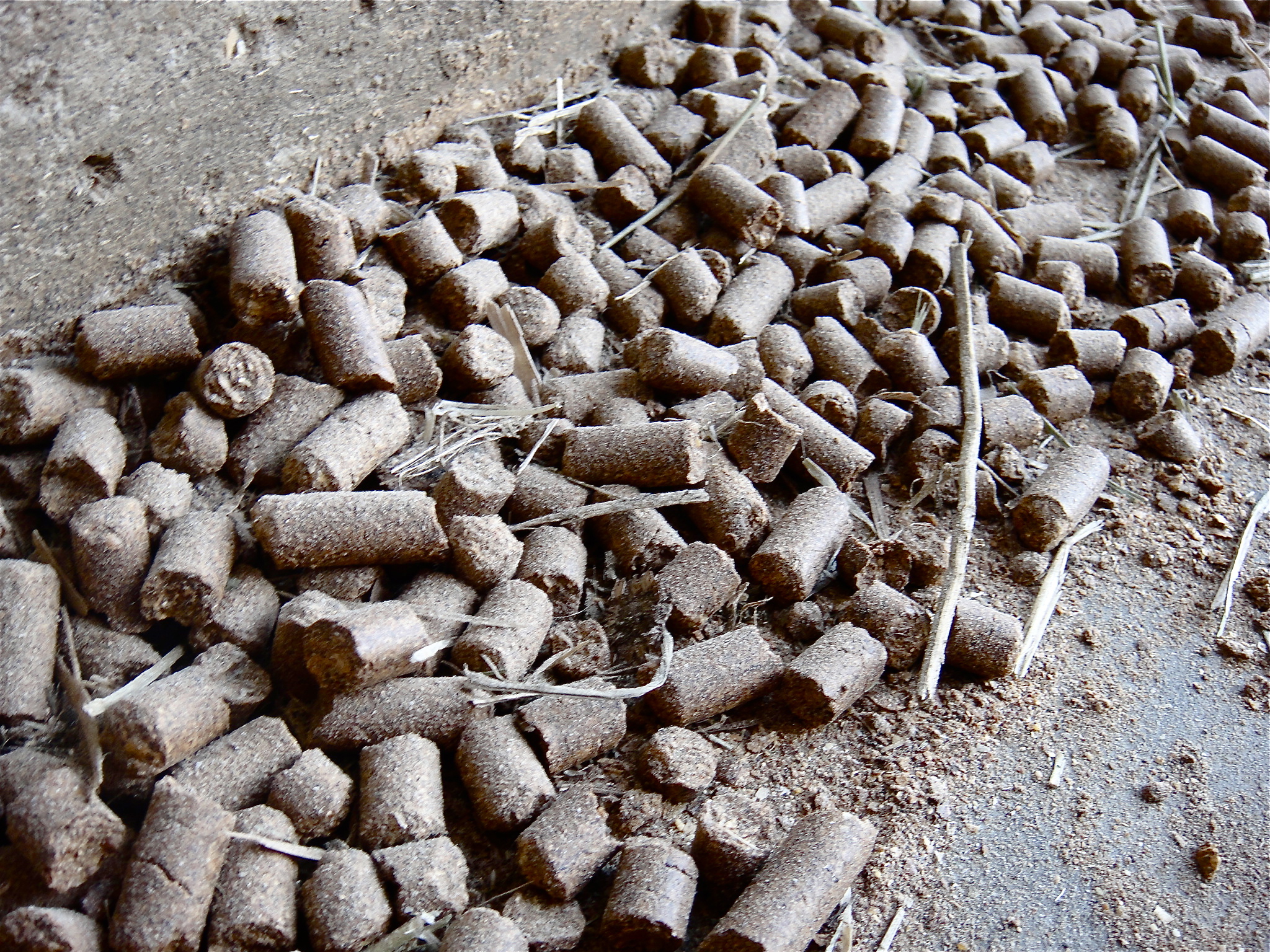
In addition to hay and corn silage, our TMR contains…

Corn gluten:

Soy hulls:

Soy plus:

Ground corn:

Canola:

Once dinner is prepared, the tractor drives through the barns and deposits the food into the feed bunks (which, as far as I can determine, is just what we call the space on the floor directly in front of the cows).

Each ingredient in our TMR plays a different role in growing healthy cows. Just like people, cows need the right amounts of proteins, starches, and carbs. Despite the deliciousness, we can’t eat a diet of pizza and Whoppers. And cows can’t eat a diet of just corn, or just hay. Our ladies need a balanced diet with the proper nutrient structure.

But the cows don’t exhaust themselves thinking about nutrition. They trust us. Eating is just a favorite activity, right up there with napping, socializing, and chewing cud.